
Why Is My Storm Door Not Closing All the Way?
There’s a specific kind of frustration that comes with a storm door that won’t quite shut. You push it closed, it looks fine for a second, and then it slowly drifts back open, or bounces off the frame entirely. Maybe it’s leaving a gap at the bottom where cold air pours in every winter, or it’s letting mosquitoes’ stream into your kitchen every summer evening across Toronto and the GTA. Either way, it’s one of those small annoyances that quietly gets worse the longer it’s ignored.
The good news is that a storm door not closing properly is almost always fixable, and in most cases, it’s not the door itself that’s the problem. It’s usually one of a handful of specific mechanical issues, several of which we walk through below. If the issue turns out to be more than a simple adjustment, our screen and storm door repair services cover everything from hardware replacement to full door realignment.
1. The Closer Is Losing Pressure
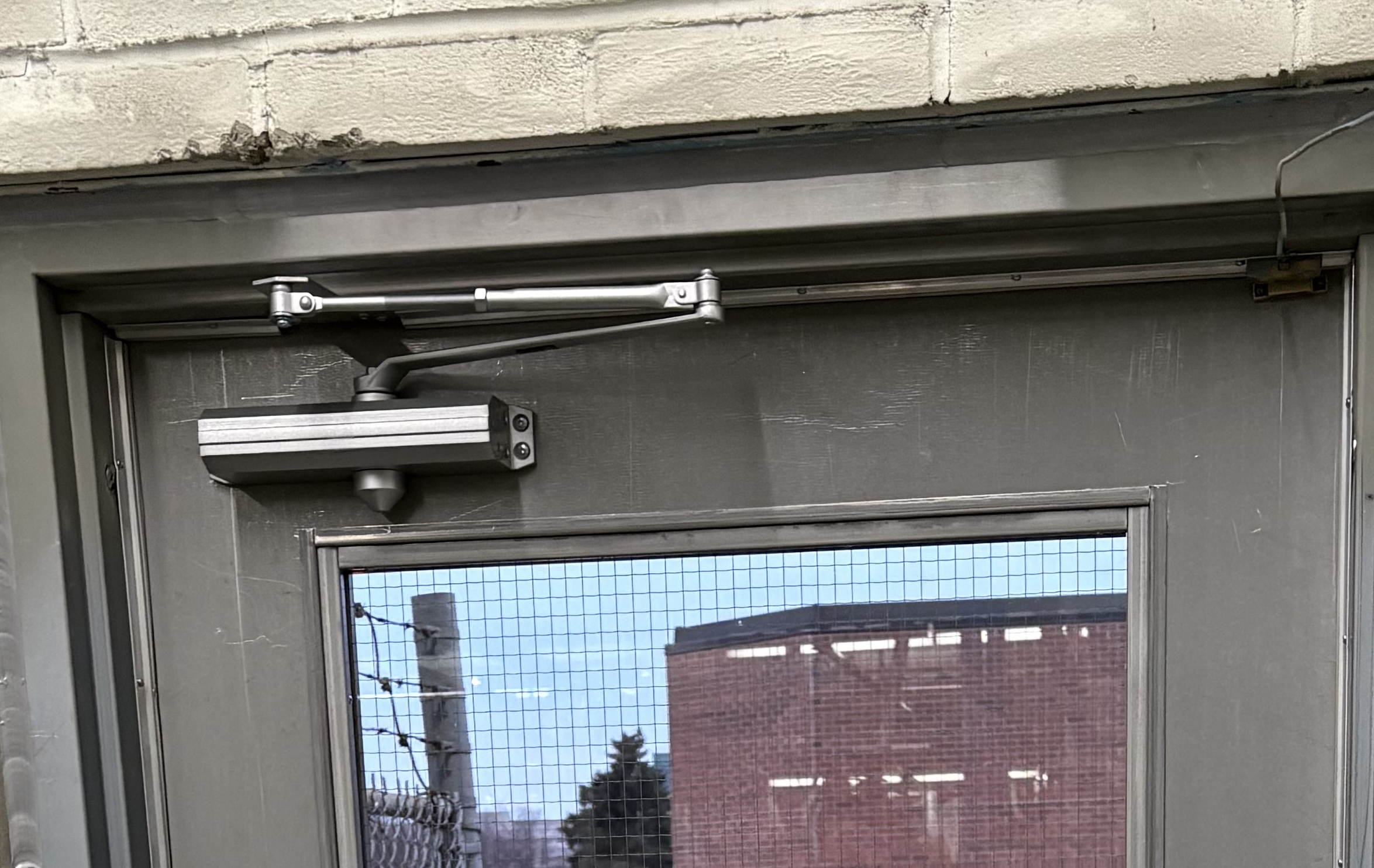
The closer is the hydraulic or pneumatic arm mounted at the top of your storm door that controls how it swings shut. Over time, especially with heavy daily use, closers can lose internal pressure or develop a slow leak in the hydraulic fluid.
When this happens, the door loses the final push it needs to latch. It’ll often close most of the way and then just… stop, sitting an inch or two open instead of clicking shut.
How to check it: Look at the tension adjustment screw on the end of the closer, usually a small screw you can turn with a flathead screwdriver. Turning it clockwise typically increases closing force. If adjusting it doesn’t help, or the closer feels stiff, jerky, or makes a hissing sound, the unit itself has likely failed internally and needs replacing.
2. The Door Has Shifted Out of Square
Storm doors are lightweight compared to your primary entry door, which makes them more prone to shifting slightly over time, especially with seasonal temperature swings. In a climate like ours, where wood and metal frames expand and contract between winter and summer, even a well-installed door can drift out of square by a small but noticeable amount.
When this happens, the door frame and the door itself are no longer perfectly aligned, which means the latch and strike plate no longer line up the way they should. The door might look straight to the eye but still refuse to latch properly.
How to check it: Close the door slowly and watch where it makes contact with the frame. If one side is touching before the other, or there’s a visible gap that’s wider at the top than the bottom (or vice versa), the frame has likely shifted.
3. The Strike Plate Is Misaligned
The strike plate is the small metal piece on the frame that the latch clicks into when the door closes. If it’s even slightly out of position, the latch will miss it entirely, or catch just enough to feel like it’s closed without actually locking.
This is one of the most common reasons for a storm door that seems to close but pops back open on its own, particularly if there’s any wind or a slight draft pulling at it.
How to fix it: In many cases, this is a simple adjustment. Loosen the screws on the strike plate slightly, adjust its position by a few millimetres in the direction the latch needs to travel, then retighten. If the plate itself is bent or the screw holes have worn out from years of use, it likely needs to be replaced rather than adjusted.
4. Weatherstripping Has Compressed or Deteriorated
The weatherstripping around a storm door does more than block drafts. It also creates just enough resistance to help the door seal snugly against the frame. When it wears thin, compresses, or cracks, which is common after several Toronto winters, the door can start to feel loose in the frame, rattle in the wind, or fail to sit flush when closed.
How to check it: Run your hand along the weatherstripping while the door is shut. If it feels flat, brittle, or you can see visible gaps of daylight around the edges, it’s likely due for replacement. This is a relatively inexpensive fix and often resolves both the drafty feeling and the door’s tendency to swing back open.
5. Hinges Are Loose or Worn
A storm door swings on its hinges dozens of times a day in an active household, and that repetitive motion, combined with the door’s exposure to wind and weather, gradually wears down hinge screws and pins.
When hinges loosen, the entire door can sag slightly on its frame. Even a small amount of sag changes how the latch lines up with the strike plate, which often shows up as a door that seems to close fine most of the time but occasionally catches, sticks, or doesn’t fully latch.
How to check it: Open the door and gently lift up on the outer edge. If there’s noticeable play or movement in the hinges, they need tightening or replacing. Tightening the screws is often a quick fix, though if the screw holes themselves have worn out (a common issue on older wood-framed doors), the holes may need to be filled and re-drilled for the screws to hold properly.
6. Wind Pressure or a Damaged Closer Chain
If your storm door is on the side of your home that catches a lot of wind, particularly common in more open or wind-exposed areas of Toronto, wind pressure alone can prevent a door from closing fully or slam it hard enough to damage the closer.
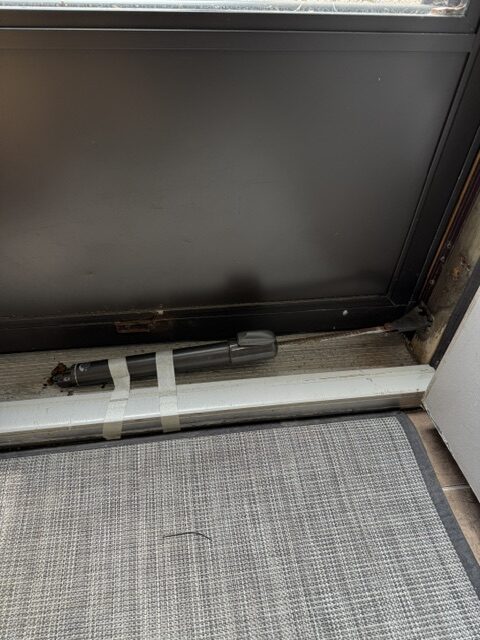
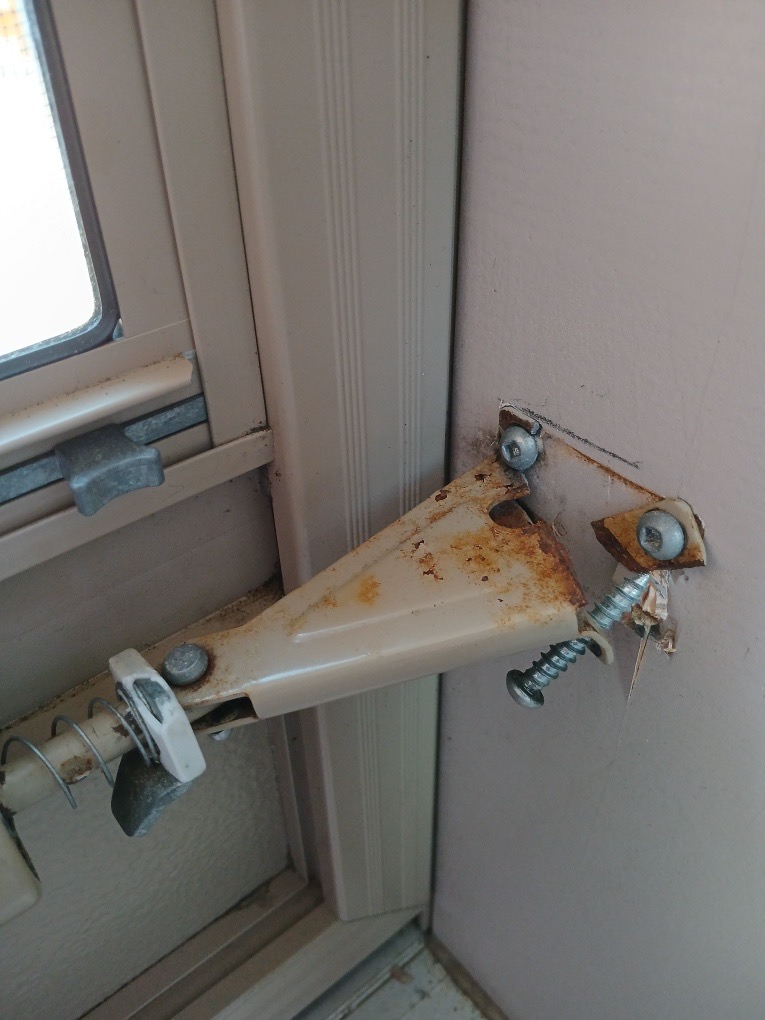
Most storm doors include a small chain or pneumatic limiter designed to control how far the door swings open, protecting it from wind damage. If this chain is broken, disconnected, or set too long, the door can swing too wide, putting extra strain on the hinges and closer, and making it harder for the closer to pull the door all the way shut afterward.
How to check it: Look for a chain or metal rod connecting the door to the frame near the hinge side. If it’s disconnected or visibly damaged, that’s likely contributing to the issue.
Key Terms Worth Knowing
Closer: The hydraulic or pneumatic arm mounted near the top of a storm door that controls its closing speed and force.
Strike Plate: The metal plate mounted on the door frame that the latch engages with to keep the door securely closed.
Weatherstripping: The flexible sealing material around the edges of a door or window that blocks drafts and helps the door sit snugly in its frame.
Out of Square: A term used when a door or frame has shifted so that its corners are no longer at true right angles, affecting how well the door and frame line up.
Wind Chain/Limiter: A small chain or rod that restricts how far a storm door can swing open, protecting the closer and hinges from wind-related damage.
When It’s More Than a Simple Adjustment
Most storm door issues fall into one of the categories above and can often be fixed with basic tools and a bit of patience. That said, there are a few signs that indicate it’s time to call in a professional rather than continuing to troubleshoot:
- The door frame itself is visibly warped, cracked, or rotted
- Multiple issues are happening at once (loose hinges plus a failed closer, for example)
- Adjustments keep slipping and the door won’t hold its alignment
- The door was already professionally repaired recently and the issue has returned
If any of that sounds familiar, it’s often more efficient, and cheaper in the long run, to have someone assess the door properly rather than replacing parts one at a time and hoping the next fix sticks.
Why This Matters More in Toronto and the GTA
A storm door that doesn’t close properly isn’t just an annoyance. It’s a functional gap in your home’s exterior. During our winters, even a small unsealed gap can let in enough cold air to noticeably affect the temperature near your entryway, driving up heating costs in the process. In the summer, that same gap becomes an entry point for insects, particularly if you’re using the storm door’s screen function to keep the main door open on warmer days.
Given how much our climate swings between seasons here, storm doors across the GTA tend to need more frequent minor adjustments than they would in a milder climate. It’s a normal part of ownership, not necessarily a sign that anything was installed incorrectly.
Why Choose Revitalize Windows & Doors Inc
We’ve repaired and adjusted storm doors across homes throughout Toronto and the GTA, from century homes with original wood-framed doors to newer builds with aluminum and composite storm door systems. In our experience, most storm door complaints come down to one or two specific, fixable issues rather than requiring a full door replacement, and we always start by diagnosing the actual cause before recommending any work.
How We Can Help You Today
- Closer adjustment and replacement for storm doors that won’t latch
- Strike plate realignment and hardware replacement
- Weatherstripping replacement to restore a proper seal
- Hinge repair and reinforcement for sagging doors
- Full storm door realignment for frames that have shifted out of square
Frequently Asked Questions
Why does my storm door close but then slowly swing back open? This is almost always a closer issue, either a loss of hydraulic pressure or a misaligned strike plate preventing the latch from fully engaging.
Can I fix a storm door that won’t close myself? Many common issues, like a loose strike plate or worn weatherstripping, are simple enough for a confident homeowner to address. Frame alignment issues or failed closers are usually best handled by a professional.
Is it normal for storm doors to need adjustment every year? In a climate with the seasonal temperature swings we get across Toronto and the GTA, minor adjustments over time are common and don’t necessarily indicate a problem with the original installation.
How do I know if my storm door needs a new closer versus just an adjustment? If turning the tension screw on the closer doesn’t change how the door closes, or if the closer feels stiff, jerky, or leaks fluid, it likely needs to be replaced rather than adjusted.
Will a poorly closing storm door affect my energy bills? Yes, even a small gap around a storm door can let in enough draft to affect the temperature near your entryway, which can contribute to higher heating costs in winter.
Ready to Get Your Storm Door Closing Properly Again?
If you’ve gone through this list and the issue still isn’t resolved, or you’d simply rather have it looked at by someone who does this every day, we’re happy to take a look. Contact us directly to request your free quote, and we’ll help get your storm door closing the way it should.