What Are the Benefits of Security Film on My Windows and Doors in Toronto and the GTA?
Break-ins, storm damage, and the occasional stray baseball all have one thing in common: they usually start with glass. Whether it’s a ground-floor window on a home in the Beaches, a storefront in Scarborough, or a patio door backing onto a ravine lot in North York, glass is the most vulnerable point of entry on almost any property. It’s also the most overlooked when homeowners and business owners think about security upgrades.
That’s where security film comes in. We get asked about it constantly, usually after a break-in, a close call, or a neighbor’s incident that made someone start thinking seriously about their own windows. If you’ve been considering it but aren’t sure what it actually does, this guide walks through exactly what security film is, what it isn’t, and why it’s become one of the most requested upgrades we install across Toronto and the GTA. You can also take a look at our full security film services page for a closer look at the products and options we offer
1. What Security Film Actually Is (And What It Isn’t)
Let’s clear up the biggest misconception first. Security film is not the same thing as bulletproof or “unbreakable” glass. Nothing makes glass truly unbreakable, and any product claiming otherwise should raise a red flag.
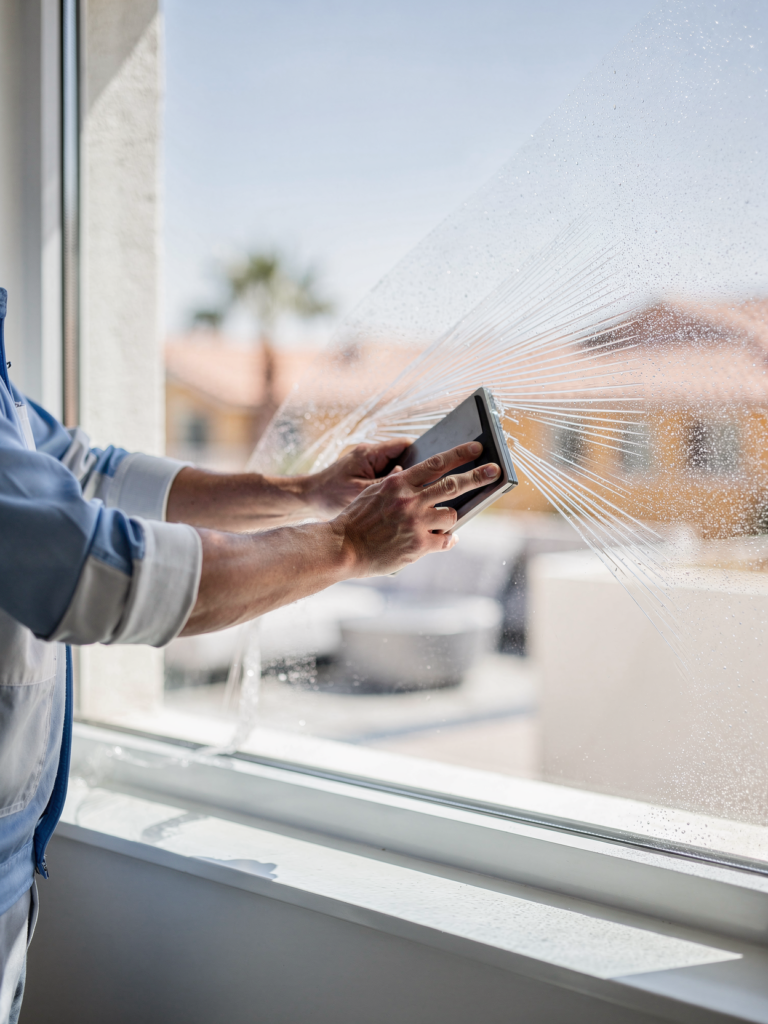
Security film is a thick, optically clear polyester laminate, typically ranging from 4 to 15 mils thick, that’s applied directly to the interior surface of your existing window or door glass. When the glass is struck, whether by a rock, a crowbar, or blunt force during a storm, the film holds the shards together instead of letting them shatter and scatter. The glass may crack, but it stays in one piece, anchored to the frame.
This single property is what makes security film effective. It doesn’t prevent glass from breaking. It prevents broken glass from becoming an open door.
2. Benefit One: It Turns “Smash and Grab” Into “Smash and Stall”
Most residential and small commercial break-ins are opportunistic. Someone tests a window, and if it gives way easily, they’re inside within seconds. Security film changes that equation entirely.
Even after the glass is struck hard enough to crack, it typically stays intact within the frame. An intruder then has to spend additional time punching through, prying at, or cutting away the film-backed glass before they can actually get through the opening. In the world of break-ins, time is the enemy of the intruder. Most residential break-ins that get interrupted or abandoned are stopped in the first 60 to 90 seconds. Security film is specifically designed to push past that window.
Key takeaway: Security film won’t stop a determined, well-equipped intruder indefinitely, but it removes the “quick and easy” option that most opportunistic break-ins rely on.
3. Benefit Two: It Prevents Dangerous Glass Shatter
This benefit gets overlooked constantly, but it’s arguably the most important one for families with children or pets.
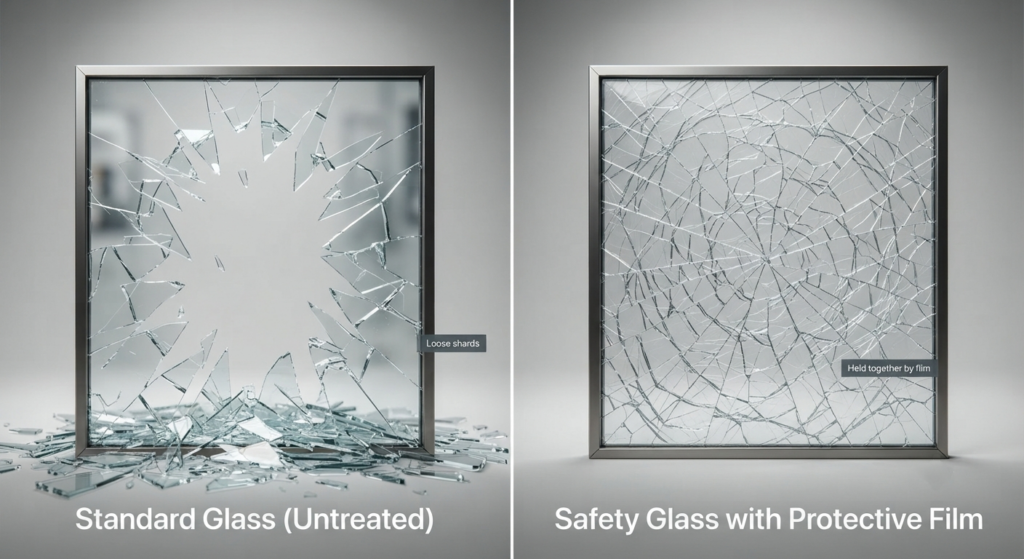
Standard glass, when broken, shatters into sharp, unpredictable shards that can travel several feet. This happens during break-ins, but it also happens during severe weather. And Toronto and the GTA are no strangers to severe weather. We regularly see wind gusts strong enough to send tree branches and debris into windows during summer storms, along with the occasional hailstorm that can crack exterior glass on homes and commercial storefronts alike.
With security film applied, that same impact typically results in a spiderweb of cracks that stays held together in the frame, rather than a spray of glass across a living room, kitchen, or storefront floor. For homes with kids, pets, or anyone concerned about storm-related glass injuries, this alone is often reason enough to install it.
4. Benefit Three: UV and Fading Protection
Security film isn’t just a security product. Most professional-grade films also block a significant portion of UV radiation, typically over 95% depending on the product.
If you’ve ever noticed your hardwood floors, furniture, or artwork fading unevenly near a window that gets a lot of direct sunlight, UV exposure through untreated glass is usually the culprit. This is especially common in south and west-facing rooms across the GTA, where afternoon sun exposure is intense for a good portion of the year. Security film addresses both problems at once: it protects the opening, and it protects what’s inside the room.
5. Benefit Four: A Modest Boost to Energy Efficiency
While security film isn’t marketed primarily as an insulation product, it does add a thin additional layer to your glass, which provides a small improvement in thermal performance. In a climate that swings from -20°C winters to 30°C-plus summers, every layer of resistance between your interior and the outdoors helps, even if the effect is incremental rather than dramatic.
It’s worth noting this shouldn’t be your primary reason for installing security film. If energy efficiency is your main concern, upgrading to a higher-performance glass unit or improving your weatherstripping will have a bigger impact. But as a secondary benefit alongside the security upgrade, it’s a nice bonus.
Where Security Film Makes the Most Sense in Toronto and the GTA
Not every window in a home or business needs security film, and we’ll say that plainly rather than trying to upsell every pane of glass on a property. Here’s where we most often recommend it:
- Ground-floor windows and patio doors, especially those facing backyards, laneways, or areas without direct street visibility
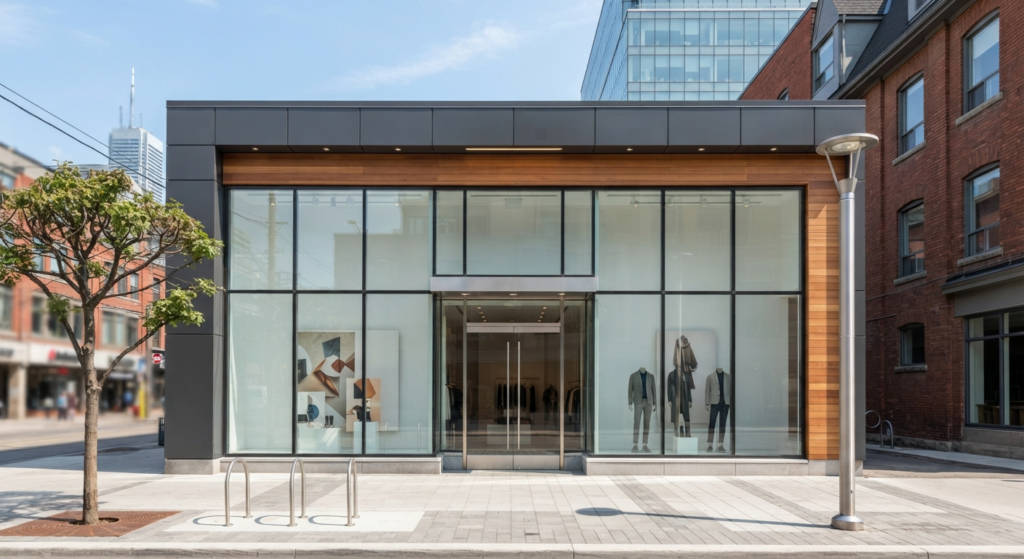
- Storefront glass on retail properties, where large display windows are a common target
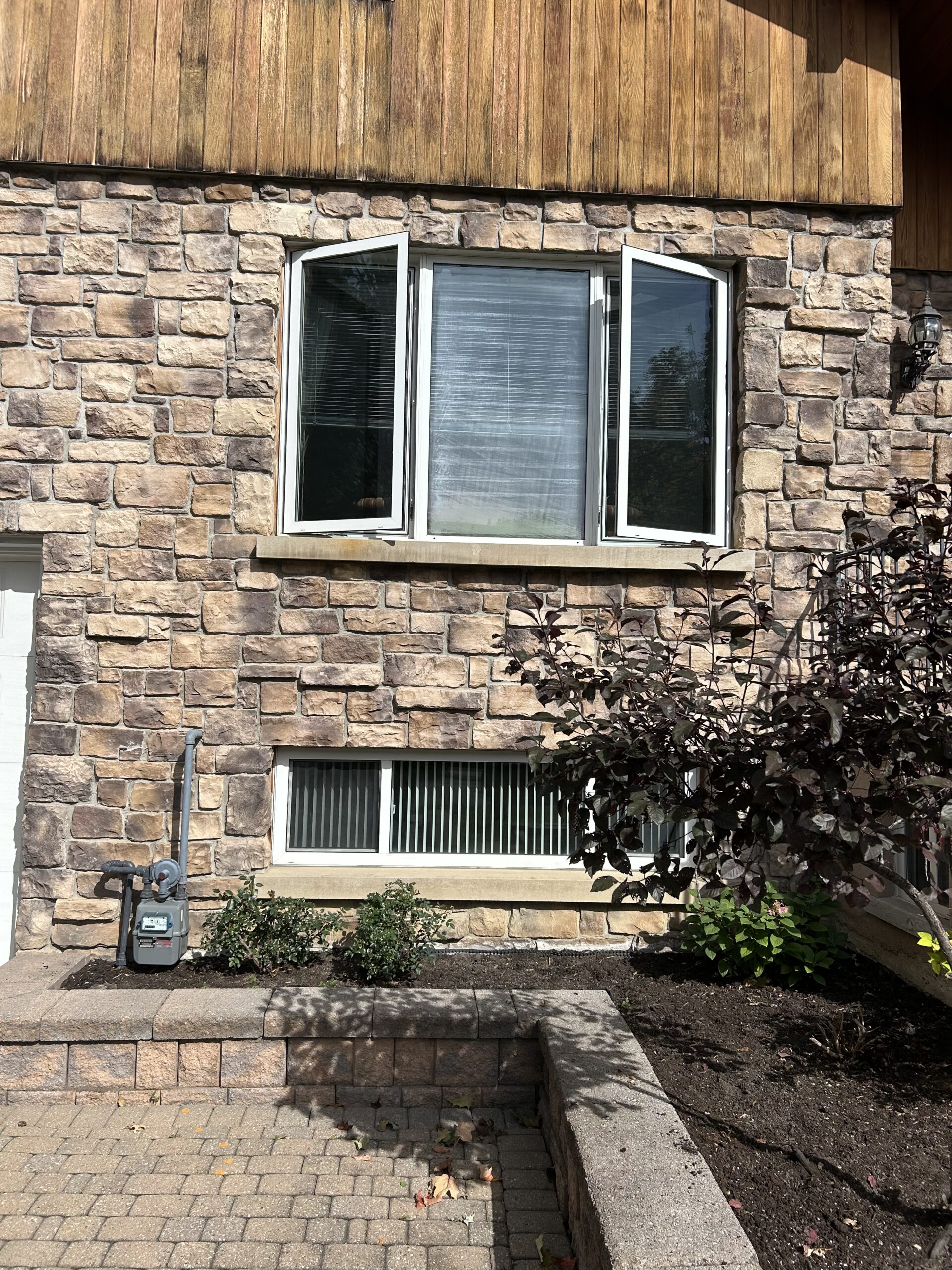
- Basement windows and walkouts, which are frequently the weakest point of entry on residential homes
- Glass entry doors and sidelights near a front door lock, a common target for break-ins that involve breaking glass to reach the interior handle
- Storm-prone areas of a property, including large glass surfaces exposed to wind-driven debris
If you’re weighing this upgrade for a property elsewhere in the region, our GTA security film and glass services page covers what we handle across different municipalities
Common Myths About Security Film
“It makes my windows bulletproof.” No security film product makes standard residential or commercial glass bulletproof. That requires an entirely different, much thicker glass-and-laminate system, typically reserved for specialized security applications.
“It will stop a break-in completely.” Security film significantly slows down and often deters break-in attempts, but a sufficiently determined intruder with the right tools and enough time can still get through. Its real value is in the delay and deterrence it creates, not an absolute guarantee.
“It changes the look of my windows.” High-quality security film is optically clear and, once professionally installed, is very difficult to notice from either side of the glass. It shouldn’t visibly change the appearance of your windows or doors.
“It’s a DIY-friendly product.” Off-the-shelf film kits exist, but proper security film installation requires precise edge-to-edge coverage and correct anchoring at the frame to actually perform as intended. A poorly installed film with gaps at the edges loses much of its effectiveness.
Key Terms Worth Knowing
Mil: A unit of thickness measurement for film, equal to one-thousandth of an inch. Security films generally range from 4 mil (lighter protection) to 15 mil (heavier protection).
Daylight Fallout: What happens when standard glass shatters and scatters shards across a room. Security film is specifically designed to prevent this.
Wet Glazing / Attachment System: The method used to anchor the edges of security film into the frame itself, rather than just the glass surface, which significantly increases how much force the film-and-glass system can withstand together.
Optical Clarity: A measure of how transparent and distortion-free a film remains once applied, important for maintaining the natural appearance of your windows.
How Security Film Is Installed
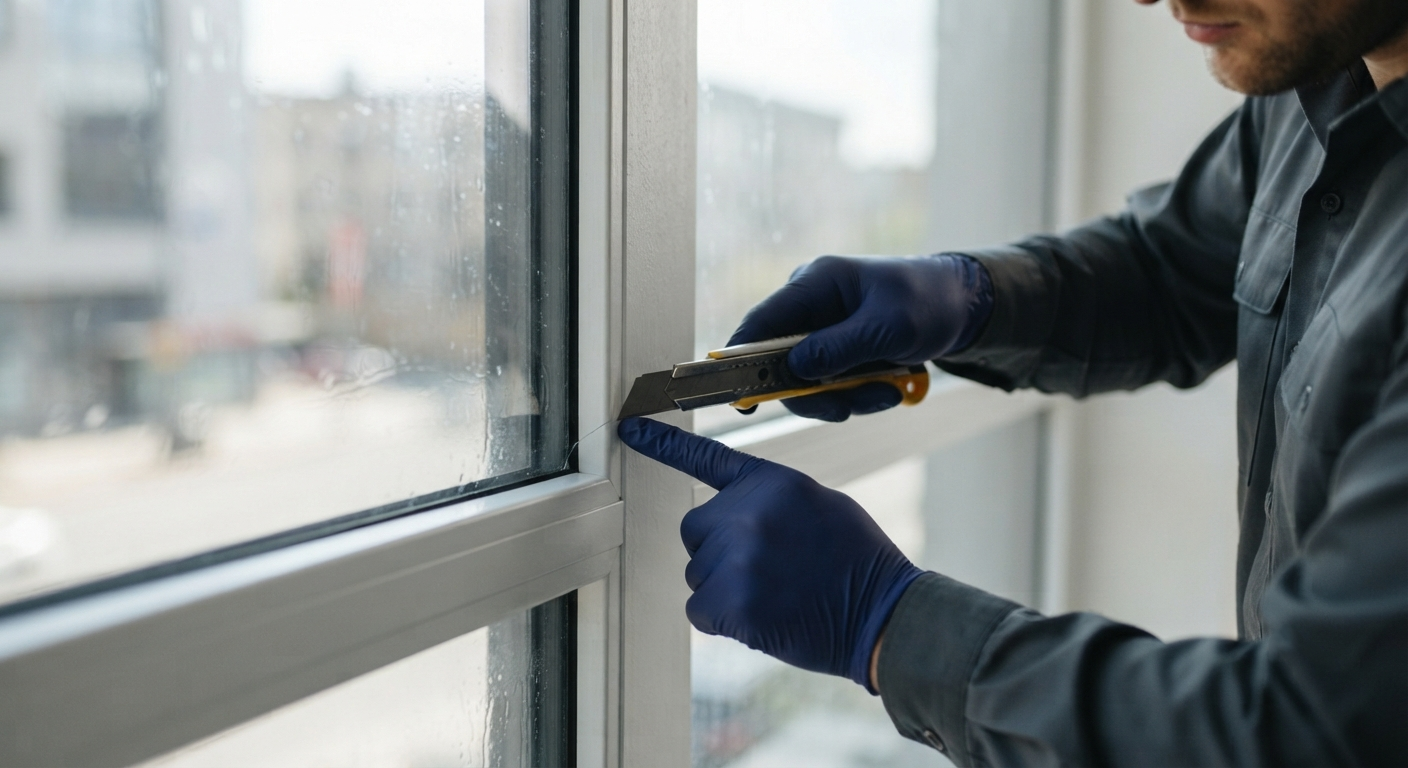
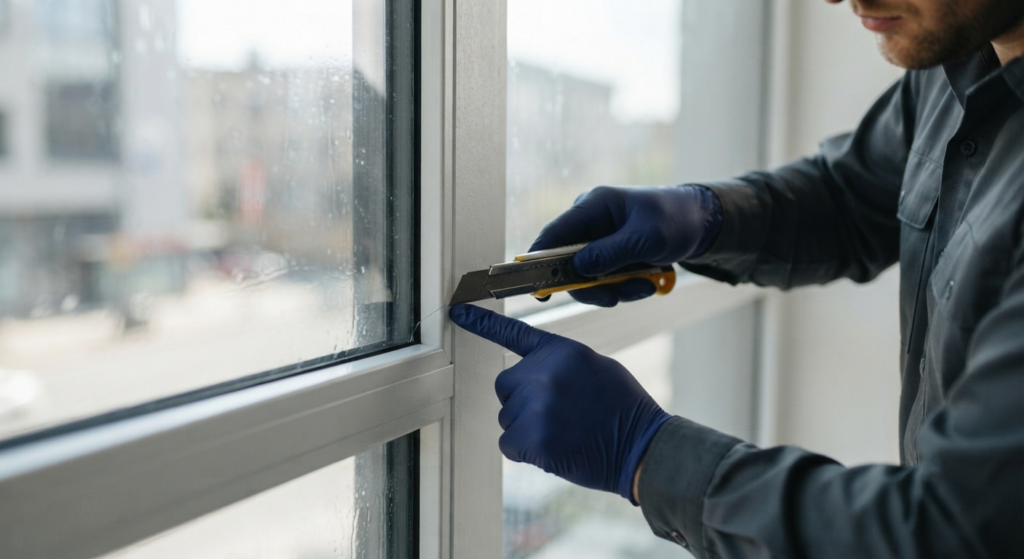
Professional installation starts with a thorough cleaning of the glass surface to remove any dust or debris that could cause bubbling or imperfections under the film. The film is then carefully applied and smoothed using specialized tools to eliminate air pockets, followed by trimming to the exact edges of the glass.
For higher-security applications, the film is anchored directly into the frame using a wet glazing or mechanical attachment system, rather than relying on adhesive to the glass alone. This is one of the biggest differences between a professional installation and a store-bought DIY kit, and it’s often the difference between film that performs as intended during an actual impact and film that simply peels away under stress.
Why Choose Revitalize Windows & Doors Inc
We’ve installed security film across homes, retail storefronts, and commercial properties throughout Toronto and the GTA, and we approach every property differently. A single-family home in Etobicoke has different vulnerabilities than a ground-floor retail unit in the downtown core, and we take the time to identify which openings actually need reinforcing before recommending a solution.
We also won’t oversell a product as something it isn’t. If security film is the right fit for your property, we’ll tell you exactly what it can and can’t do. If a different upgrade, such as reinforced hardware or laminated glass, makes more sense for your specific situation, we’ll say that too.
How We Can Help You Today
- Security film installation for residential windows, patio doors, and entry doors
- Storefront and commercial glass security film for retail and office properties
- Assessment of your property’s most vulnerable points of entry
- Combined upgrades, including reinforced locks and hardware alongside film installation
- UV-protective film options for rooms with heavy sun exposure
Security film is one of those upgrades that’s easy to put off until after something happens. If you’d rather get ahead of it, we’re happy to take a look at your property and walk you through what makes sense.
Frequently Asked Questions
Does security film stop glass from breaking entirely? No. Security film doesn’t prevent the glass from cracking; it holds the shards together after impact so the glass stays in the frame instead of shattering apart.
Can security film be added to existing windows, or does the glass need to be replaced? In most cases, security film can be applied directly to your existing glass, making it a much less invasive and more affordable upgrade than a full glass replacement.
Is security film only useful for break-in prevention? No. Beyond deterring break-ins, it also helps protect against storm-related glass shatter, blocks a significant amount of UV radiation, and offers a modest boost to energy efficiency.
How long does security film typically last? With professional installation, quality security film commonly lasts 10 to 15 years, though this can vary based on sun exposure and the specific product used.
Will security film make my windows look different? No, high-quality film is optically clear and, once properly installed, is very difficult to notice.
Ready to Reinforce Your Windows and Doors?
If you’ve been thinking about adding security film to your home or business, we’re happy to walk through your property and point out exactly where it would make the biggest difference. Contact us directly to request your free quote, and we’ll help you figure out the right level of protection for your specific property.