
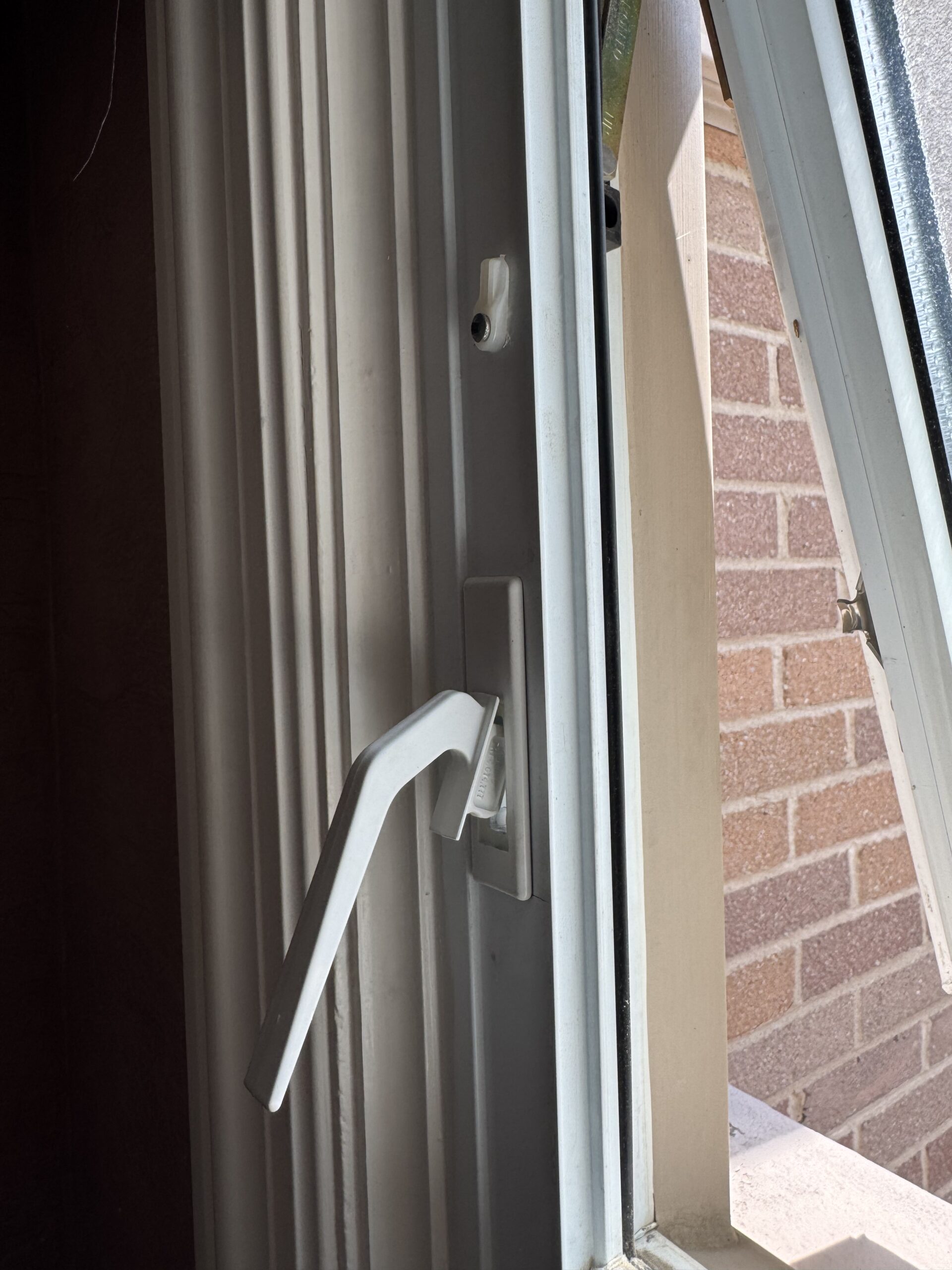
Why Is My Window Lock Hard to Pull Down?
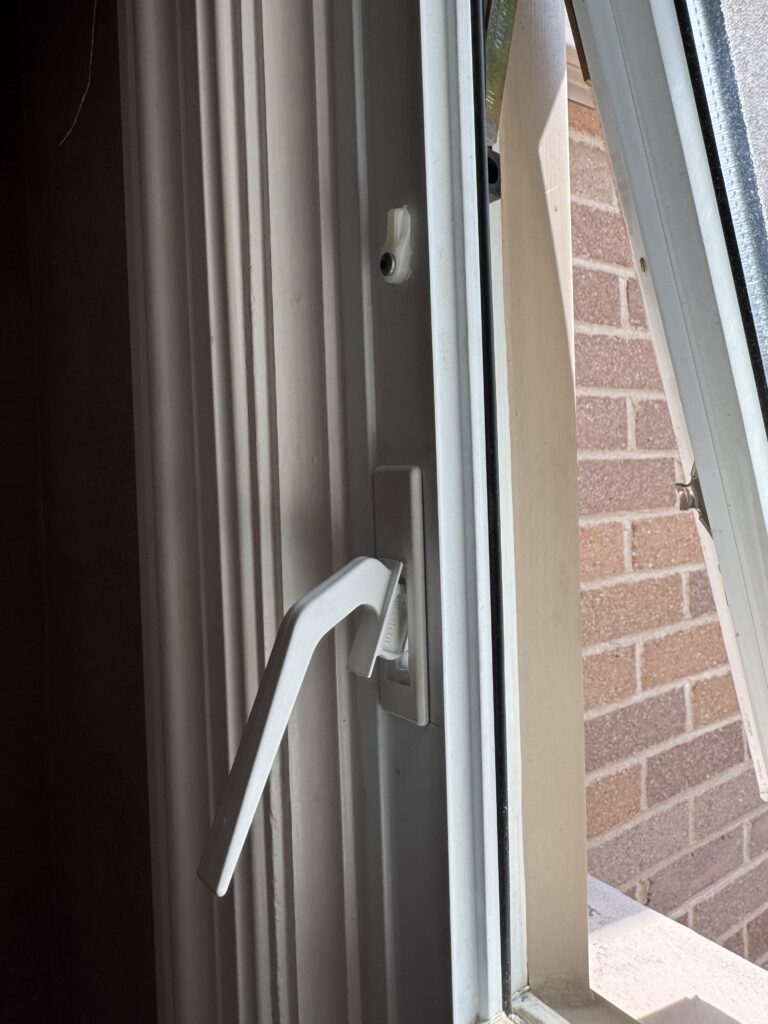
You reach for the handle at the end of the day, ready to lock up, and it barely moves. You push harder. It still resists, or it grinds, catches halfway and refuses to go the rest of the way. If this sounds familiar, you’re not alone. A stiff window lock is one of the most common window complaints homeowners have, and it’s more than an annoyance. A lock you can’t fully engage isn’t doing its job.
The good news is that the cause is usually simple, and many fixes take less than half an hour. In this guide, we’ll walk through the most common reasons a window lock becomes hard to pull down, how to diagnose each one, and when it’s time to call a professional. At Revitalize Windows & Doors, we repair stiff locks, worn hardware and misaligned windows across Toronto and the GTA every week, so we’ve included the practical tips our technicians share with homeowners.
How a Window Lock Actually Works
Understanding the basics makes troubleshooting much easier. Most windows rely on one of a few lock types:
- Cam locks (sash locks): A rotating latch on the sash that hooks onto a keeper on the frame. Common on double-hung and sliding windows.
- Multipoint locks: A handle connected to a long strip of metal that drives several locking points around the sash at once. Common on casement and tilt-and-turn windows.
- Lever or crank-style latches: Used on casement windows to pull the sash tight against the frame as you close it.
In every case, the lock has to travel through a smooth path and meet a keeper that sits in exactly the right spot. When any part of that system is dirty, dry, worn or out of line, the handle gets stiff. Here are the usual suspects.
1. The Sash Is Out of Alignment
Misalignment is the number one cause of a hard-to-pull lock. When the sash sits even a few millimetres out of position, the locking points no longer line up with their keepers. The handle then has to force the mechanism into place, and you feel that as resistance.
Why it happens:
- Hinges, rollers or balances wear down over time
- Your home settles, shifting the frame slightly
- The sash sags under its own weight, especially on larger or older windows
- Screws holding the hardware gradually loosen
How to check: Close the window and look at the gap around the sash. If the gap is wider on one side, or the sash looks crooked, alignment is likely the problem. You can also look at the lock itself: if the latch lands above, below or beside the keeper instead of dead centre, you’ve found your culprit.
What to do: Many casement windows have adjustment screws on the hinges that let you raise, lower or shift the sash. Sliding windows often have roller adjustment screws at the bottom corners. Small turns make big differences, so adjust a quarter turn at a time and test after each change. If the sash is badly sagging or the hinges are damaged, the fix may need a professional touch.
2. Dirt, Dust and Old Grease Have Built Up
Window locks contain small moving parts, and over the years they collect dust, pollen, grit and hardened grease. The result is friction that makes the handle feel gritty, sticky or heavy. Windows near kitchens (cooking grease) and busy roads (road dust) are especially prone to this.
How to fix it:
- Wipe the handle, lock body and keeper with a damp cloth.
- Use a soft brush or an old toothbrush to clear debris from the moving parts and tracks.
- For stubborn grime, use a mild soapy solution, then dry everything thoroughly.
- Operate the handle a few times and see whether the movement has improved.
Avoid harsh solvents or abrasive cleaners. They can strip protective coatings on the metal and damage seals or finishes.
3. The Mechanism Needs Lubrication
Even a spotless lock will stiffen if its metal parts have dried out. Lubrication is the quickest and cheapest fix, and it works more often than people expect.
The right way to lubricate:
- Choose a silicone-based or PTFE spray designed for window hardware
- Apply a small amount to the moving parts of the lock, the latch points and the keeper
- Work the handle up and down several times to spread the lubricant
- Wipe away any excess so it doesn’t attract new dust
What to avoid: Heavy grease and general-purpose oils can gum up over time, attract dirt and make the problem worse within a few months. Keep lubricants off rubber seals and painted or vinyl surfaces where you can.
For multipoint locks, pay attention to the locking points along the edge of the sash, not just the handle. These parts do the real work, and they’re often the driest.
4. The Keeper (Strike Plate) Has Shifted
The keeper is the small plate on the frame that your lock catches onto. If it has moved, even by a few millimetres, the latch has to fight to engage it. You’ll often notice that the lock goes down smoothly for most of its travel, then suddenly stiffens at the end. That’s a classic keeper symptom.
How to adjust it:
- Close the window and note where the latch meets the keeper.
- Loosen the keeper screws slightly (don’t remove them completely).
- Slide the keeper until the latch enters smoothly, then tighten the screws.
- Test the lock several times and make small corrections if needed.
Some keepers are adjustable by design, with slotted holes or movable cams. Others may need to be repositioned or replaced. If the keeper is bent or worn, a new one is inexpensive and quick to install.
5. Weatherstripping Is Compressing the Sash
Weatherstripping keeps drafts, water and noise out, but when it’s too thick, twisted or swollen, it pushes the sash away from the frame. That extra pressure works against the lock, making the handle hard to pull down. This often appears after new seals are installed, or in humid weather when materials swell.
What to check:
- Seals that have popped partially out of their channel
- Weatherstripping that looks flattened in some places and bulging in others
- Aftermarket seals that are thicker than the originals
Replacing worn or incorrectly fitted seals with the right profile can restore smooth operation and improve your window’s energy efficiency at the same time. Our weatherproofing services cover exactly this kind of problem, so if you’re unsure which seal your window uses, we can identify it and fit the correct one.
6. Seasonal Changes in Temperature and Humidity
Materials expand and contract with the weather, and that affects how your window sits in its frame. In Toronto and the GTA, we go from muggy summers to deep winter cold, so windows get a real workout.
- Wood windows absorb moisture and swell in humid conditions, tightening the fit.
- Vinyl frames expand in heat and contract in the cold, which can subtly change alignment.
- Aluminum frames respond quickly to temperature swings and can shift hardware positions.
If your lock is only stiff during certain months, seasonal movement is probably the reason. A small hardware adjustment can often accommodate the change.
7. Worn or Damaged Hardware
Locks don’t last forever. Years of daily use take a toll, and eventually internal parts wear down, springs weaken and handles loosen. Warning signs that your hardware has reached the end of its life include:
- A gritty or grinding sensation that doesn’t improve with cleaning
- A handle that feels loose, wobbly or bent
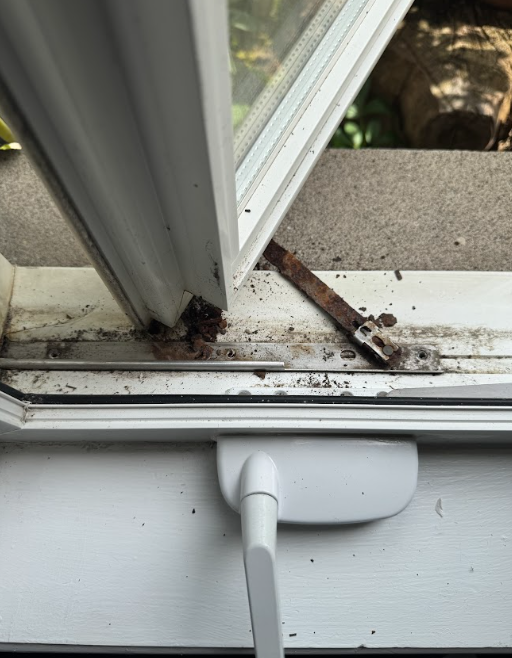
- Visible rust or corrosion on the lock or keeper
- The lock jamming halfway through its travel
- Screws that keep loosening no matter how often you tighten them
If cleaning, lubrication and adjustment haven’t helped, replacing the lock or handle is usually the most reliable solution. Replacement hardware is generally affordable, but it’s important to match the exact type and size for your window. Locks vary by manufacturer, and a near-match can create new alignment problems. This is where a technician saves you time, since the right part makes the difference between a smooth lock and a repeat problem.
8. Paint, Caulk or Sealant Build-Up
Renovations and repainting can quietly cause lock problems. A bit of paint on the keeper, a smear of caulk near the latch or paint seeping into the lock mechanism can physically block movement. Wooden windows that have been painted many times often develop layers thick enough to interfere with the hardware.
The fix: Carefully scrape or cut away excess paint with a utility knife or putty knife, taking care not to scratch the frame. Clean the area and lubricate the mechanism afterward. If paint has seeped inside the lock, replacement may be the better option.
9. The Frame or Sash Has Warped or Shifted
Occasionally, the problem isn’t the lock at all. A warped sash, a twisted frame or a window that was installed slightly out of square will cause persistent hardware problems no matter how much you clean or adjust. Water damage, rot in wooden frames and foundation movement can all contribute.
If you notice any of these signs, the issue goes beyond the lock:
- Visible gaps or light around the closed window
- Drafts you can feel even with the window locked
- A sash that’s visibly warped or no longer sits flat
- Stiff locks on several windows throughout your home
Multiple problem windows in the same house often point to settling, poor installation or aging hardware across the board. In that case, repeated one-off fixes only buy a little time, and a professional inspection is the smarter move.
Quick Troubleshooting Guide
| What You Notice | Likely Cause | Try This |
|---|---|---|
| Stiff all the time | Dirt or dry mechanism | Clean and lubricate |
| Stiff only at the end of the pull | Keeper misaligned | Adjust the keeper |
| Sash looks uneven in the frame | Misalignment or worn hinges | Adjust hinges or rollers |
| Hard to lock after new seals | Seals too tight | Check or replace seals |
| Gritty or grinding feeling | Worn hardware | Replace the lock |
| Stiff only in humid or hot weather | Material expansion | Adjust alignment |
| Several windows affected | Frame or hardware issue | Professional inspection |
A Few Safety Tips Before You Start
- Don’t force the handle. Pushing harder can snap the lock, strip the screws or crack the frame.
- Take care with heavy sashes. Have a second person help when adjusting hinges so the window doesn’t shift unexpectedly.
- Photograph the hardware before you take anything apart, so you can reassemble it correctly.
- Work on upper floors carefully. If the window is above ground level, don’t lean out or stand on unstable surfaces. Call a professional instead.
When to Call a Professional
DIY fixes work well for cleaning, lubricating and small adjustments. But there are times when calling an expert saves you time, money and frustration. Reach out to a window specialist if:
- The sash is visibly warped, sagging or won’t sit flush
- Adjusting the keeper and lubricating made no difference
- Several windows have the same problem
- The hardware is old, discontinued or hard to match
- You notice drafts or water getting in around the lock
At Revitalize Windows & Doors, we handle window hardware repair and replacement every day, including multipoint lock replacement, hinge replacement and crank repair, so we can find the real cause of a stiff lock instead of just treating the symptom. Learn more on our window repair services page.
Preventing Lock Problems in the Future
A little regular care goes a long way:
- Clean your window hardware twice a year, ideally in spring and fall.
- Lubricate locks and hinges annually with a silicone-based spray.
- Open and close your windows regularly so mechanisms don’t seize up.
- Keep tracks and frames clear of debris, especially on sliding windows.
- Check weatherstripping each year for cracks, gaps or loose sections.
- Fix small problems early. A slightly stiff lock today can become a broken one next season.
Final Thoughts
A window lock that’s hard to pull down is almost always trying to tell you something. Most of the time it’s a simple issue like dirt, dry hardware, a shifted keeper or a sash that has drifted out of alignment, and all of them are easy to correct with a bit of cleaning, lubrication and patience. But when the stiffness keeps returning, or it affects more than one window, it’s worth having an expert take a look before a small annoyance becomes a security risk or a bigger repair bill.
If your window lock still won’t cooperate, the team at Revitalize Windows & Doors is ready to help. Contact us today for a free quote or to book a service appointment anywhere in Toronto and the GTA.

Leave a Reply