
What Causes Sliding Screen Door Rollers to Fail?
If your sliding screen door has started jumping off its track, dragging, or refusing to glide the way it used to, the rollers are almost always the reason why. At Revitalize Windows and Doors, this is a question we hear constantly from homeowners across Toronto and the GTA, and the short answer is this: screen door rollers fail because of a combination of wear, weather exposure, material quality, and weight — usually more than one of these at once.
Let’s break down exactly what’s happening underneath your screen door and why those little wheels tend to give out sooner than people expect.
Rollers Carry More Weight Than They Look Like They Should
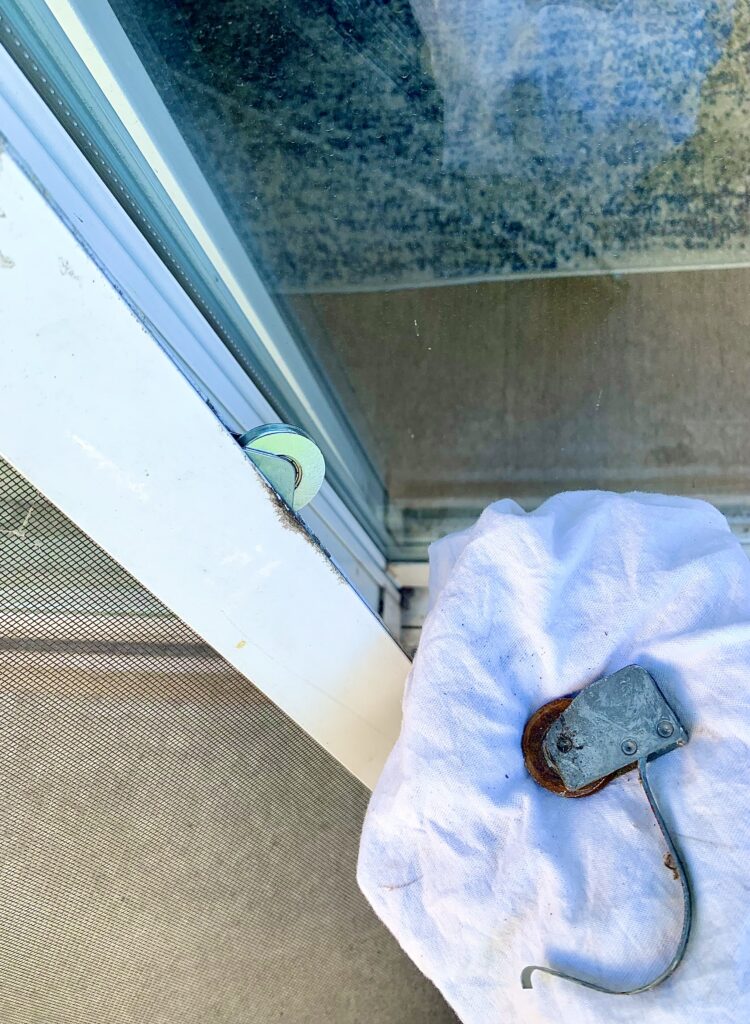
A sliding screen door might feel light when you push it open, but the rollers underneath are doing more work than most people realize. The entire weight of the door frame, mesh, and hardware rests on just two or four small wheels, depending on the design. Every time the door slides open or closed, that weight shifts and puts stress directly on the roller wheel and its axle.
Over hundreds or thousands of open-and-close cycles a year, this repeated stress wears down the wheel surface, especially on lower-cost rollers made from basic plastic or nylon. It’s a bit like the tires on a car — they’re built to handle regular use, but they’re also a wear item that eventually needs replacing, not a one-and-done part.
Dirt, Debris, and Grit in the Track
This is the single most common reason we see for rollers failing prematurely. The track your screen door slides along is exposed to the outdoors on one side, which means it’s constantly collecting dust, sand, small stones, leaves, and general debris. Every time the door moves, the rollers grind against whatever has settled into that track.
Over time, this grinding action wears down the wheel material, and in some cases, small debris can actually get lodged inside the roller housing itself, damaging the axle or bearing. Homeowners in areas with sandy soil, near beaches, or with a lot of tree cover tend to see this issue more often, simply because there’s more debris finding its way into the track throughout the year.
Regular cleaning — vacuuming the track and wiping it down every few months — goes a long way toward preventing this kind of premature wear, but it won’t stop it from happening eventually. Rollers are still a wear item even under ideal conditions.
Weather Exposure and Material Breakdown
Screen doors live outside, which means their rollers are exposed to sun, rain, humidity, and temperature swings all year round. Toronto and the GTA see a pretty wide range of conditions across the seasons — hot, humid summers and cold, dry winters — and that kind of fluctuation takes a toll on the materials rollers are made from.
Plastic and nylon rollers, which are common in a lot of screen doors, can become brittle over time when exposed to prolonged UV light. Once a roller becomes brittle, it’s far more likely to crack, chip, or develop flat spots under normal use. Metal components, like axles or springs inside the roller housing, can also corrode if moisture gets into the housing repeatedly, especially if the door isn’t cleaned or maintained regularly.
This is one of the reasons screen door rollers often need replacing well before the door itself is anywhere near the end of its life — the rollers are simply more exposed and more vulnerable to the elements than the frame or mesh.
Low-Quality or Mismatched Rollers
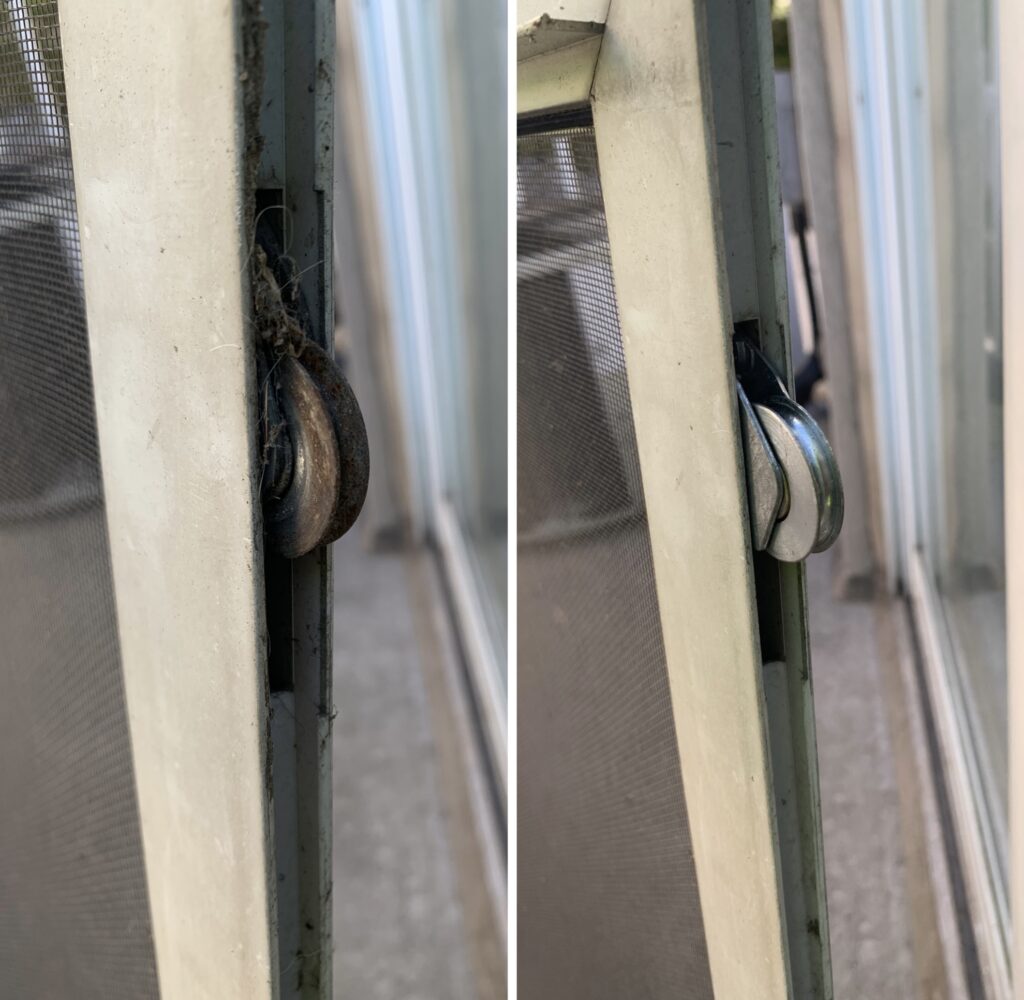
Not all rollers are built the same, and this matters more than most homeowners expect. Many screen doors, especially builder-grade or budget models, come equipped with basic plastic rollers designed to keep manufacturing costs down. These rollers work fine initially, but they tend to wear out faster than steel or stainless-steel ball-bearing rollers, which are more durable but also more expensive to include as standard equipment.
If you’ve replaced your screen door rollers before and noticed they failed again within a year or two, it’s worth considering whether the replacement rollers were actually a good match for your door’s weight and frequency of use. Installing a heavier-duty roller, even if your door didn’t originally come with one, is often a smart upgrade if you’re dealing with repeat failures.
Misalignment and Frame Issues
Sometimes the rollers themselves aren’t defective — they’re just being forced to work under conditions they weren’t designed for. If your screen door frame has shifted slightly, whether from age, a hard impact, or the house settling over time, the door may no longer sit perfectly level in its track. This forces uneven pressure onto one roller more than the other, which accelerates wear on that side specifically.
A telltale sign of this is if one roller wears out repeatedly while the other seems fine, or if the door visibly hangs slightly crooked when closed. In these cases, simply replacing the worn roller again and again won’t solve the underlying problem — the frame alignment needs to be addressed first, or the new roller will just wear out at the same accelerated rate.
Overuse in High-Traffic Households
This one is straightforward but often overlooked: screen doors that get opened and closed dozens of times a day, especially in homes with kids or pets running in and out, are going to see roller wear happen faster than a door that’s used occasionally. There’s no way around this one other than being aware that heavier daily use means rollers may need attention or replacement more frequently than the “typical” lifespan you’d read about online.
How Roller Design Affects Lifespan
Not all rollers are built the same way internally, and the design differences matter more than they might seem at first glance. Some rollers use a simple plastic wheel on a fixed axle, which is the most affordable option but also the one most prone to wearing unevenly over time. Others use a spring-loaded design, which allows the roller to adjust slightly as it moves along the track, absorbing some of the impact from minor bumps or uneven surfaces. Spring-loaded rollers tend to last longer in real-world conditions because they distribute pressure more evenly rather than concentrating it on one contact point.
Ball-bearing rollers represent another step up, using small bearings inside the wheel housing to reduce friction significantly compared to a basic axle-and-wheel setup. Less friction means less heat and wear generated with every use, which translates directly into a longer functional lifespan. If you’re dealing with a screen door that sees heavy daily use, upgrading to a ball-bearing roller design, even if it costs a bit more upfront, often pays for itself by avoiding repeat replacements every year or two.
The Role of Installation Quality
It’s worth mentioning that even high-quality rollers can fail prematurely if they weren’t installed correctly in the first place. A roller that’s slightly misaligned during installation, seated at the wrong height, or paired with a track that wasn’t properly cleaned and prepped beforehand can wear out far faster than it should, regardless of how well-built the roller itself is.
This is something we see fairly often when homeowners have replaced rollers themselves or had a quick fix done without addressing the track and frame condition first. If a “new” roller starts failing again within just a few months, installation quality is worth considering as a potential factor, not just the roller itself.
Signs Your Rollers Are Starting to Fail
Rollers rarely fail without warning. A few signs to watch for include:
- The door feels harder to slide than it used to, even after cleaning the track
- You hear a grinding, squeaking, or clicking noise when the door moves
- The door sags slightly or has come partially off the track
- One side of the door drags more than the other
- The door has jumped the track entirely, even briefly
If you’re noticing any combination of these, it’s worth inspecting the rollers directly rather than continuing to force the door open and closed, which can cause further damage to the track or frame.
Can You Prevent Roller Failure Entirely?
Not entirely — rollers are a wear component, and every screen door will eventually need roller replacement regardless of how well it’s maintained. But there’s a lot you can do to extend their lifespan significantly:
- Clean the track every few months, especially heading into and out of winter here in the GTA, when salt, sand, and debris tend to build up.
- Use a silicone-based lubricant rather than heavy grease, which attracts more dirt.
- Avoid forcing the door if it feels stuck — investigate the cause instead of pushing through resistance.
- Consider upgrading to steel or ball-bearing rollers if you’ve had repeat failures with standard plastic ones.
- Address any frame misalignment early, rather than letting uneven wear continue to damage new rollers.
When Replacement Makes More Sense Than Repair
If you’ve replaced the rollers more than once in a short period, or if you’re noticing frame damage, warping, or a track that’s bent beyond simple repair, it may be worth having the whole door assessed rather than continuing to patch the rollers individually. In some cases, especially with older screen doors, the cost of repeated roller replacements over a few years can approach what a new, better-built door would cost — and a new door often comes with sturdier hardware from the start.
Our Take
Rollers failing isn’t usually a sign that something’s gone wrong with your door — it’s a normal part of how sliding screen doors work over time, especially with the kind of seasonal weather swings we get here in Toronto and across the GTA. The key is catching the early warning signs, keeping the track clean, and knowing when a roller upgrade or frame check makes more sense than another quick fix.
At Revitalize Windows and Doors, we’re always happy to take a look at a screen door that’s giving you trouble, whether it just needs a roller swap or there’s a bigger issue underneath. If your screen door has been acting up, we’re here to help you figure out what’s actually going on — no guesswork, no upsell, just an honest assessment.