
Why Is My Patio Door Hard to Slide?
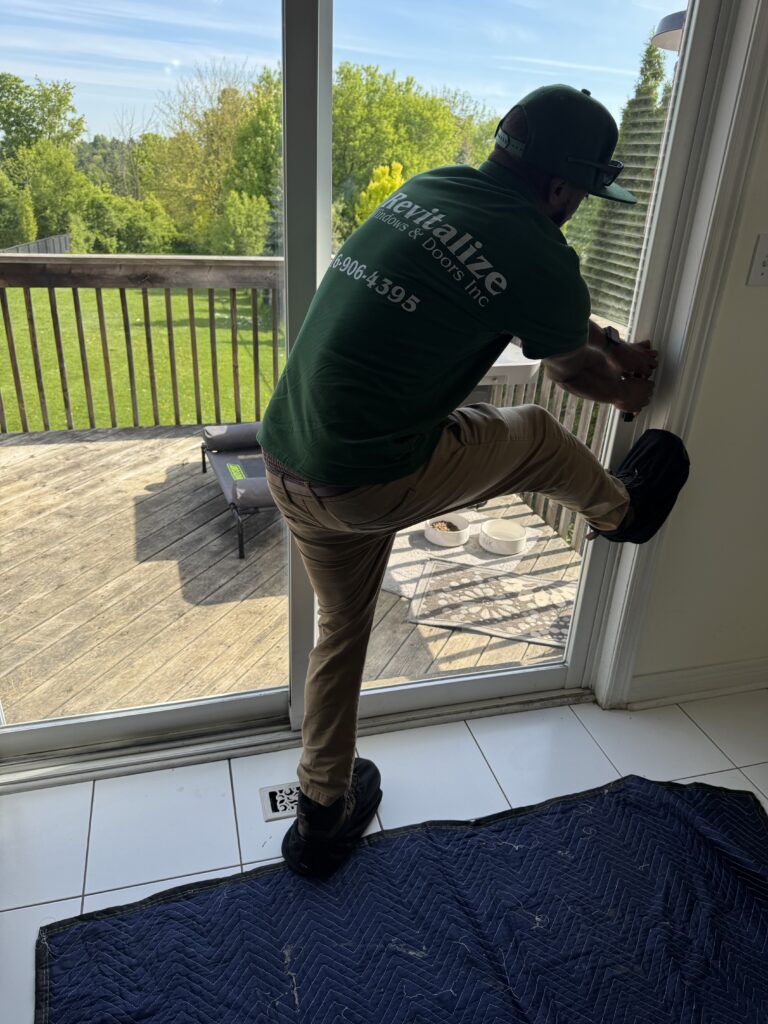
If you’ve found yourself throwing your whole body weight into opening your patio door, you already know how frustrating — and honestly a little embarrassing in front of guests — a sticky slider can be. At Revitalize Windows and Doors, this is one of the questions we hear most often from homeowners across Toronto and the GTA, and we want to give you a straight answer instead of a sales pitch: in most cases, a hard-to-slide patio door is fixable, and it doesn’t automatically mean you need a full replacement.
Let’s walk through exactly why this happens, what you can check yourself, and when it’s actually time to consider something more permanent.
The Most Common Culprit: Dirty or Worn Rollers
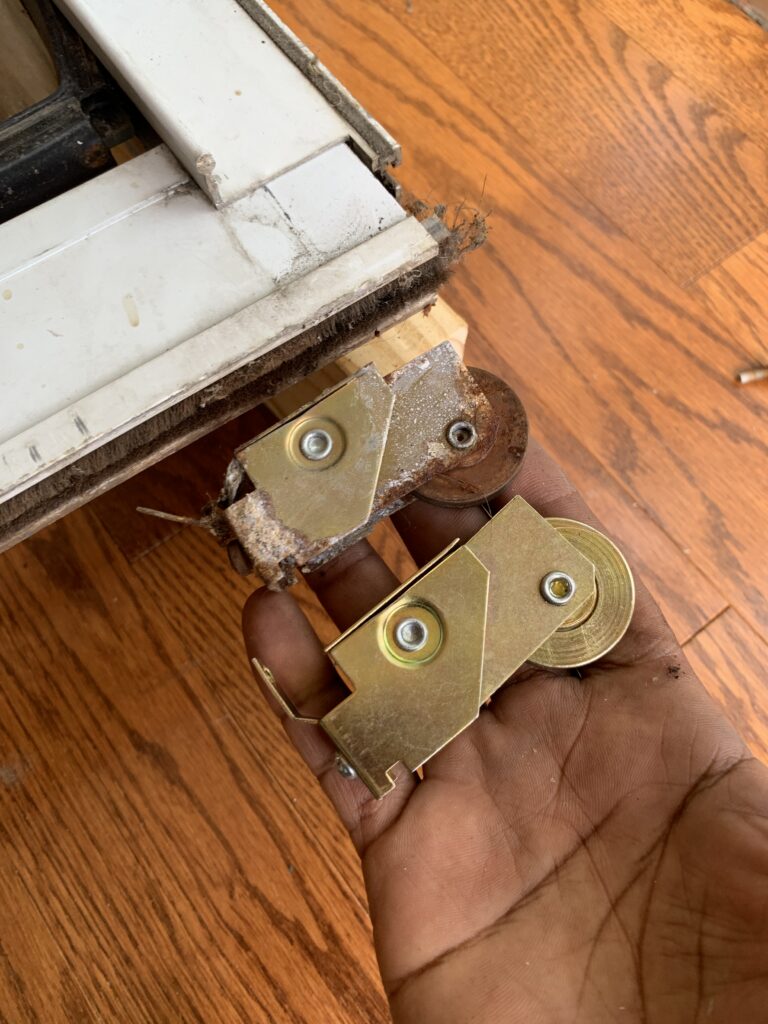
Every sliding patio door rides on a set of small wheels called rollers, usually located at the bottom corners of the panel. These rollers move back and forth along a track every time the door opens or closes, and over months or years, they pick up dirt, pet hair, dust, and small debris. That buildup creates friction, and friction is exactly what makes a door feel heavy or “stuck.”
In our experience, this is the single most common reason we get called out to look at a sticky door. The fix can be as simple as removing the door panel (many are designed to lift out of the track) and giving the rollers a thorough cleaning. If the rollers themselves are cracked, flattened, or have developed a “flat spot” from years of use, cleaning won’t help — at that point, the rollers need to be replaced. The good news is that roller replacement is a relatively affordable repair compared to replacing the entire door.
A Dirty or Damaged Track
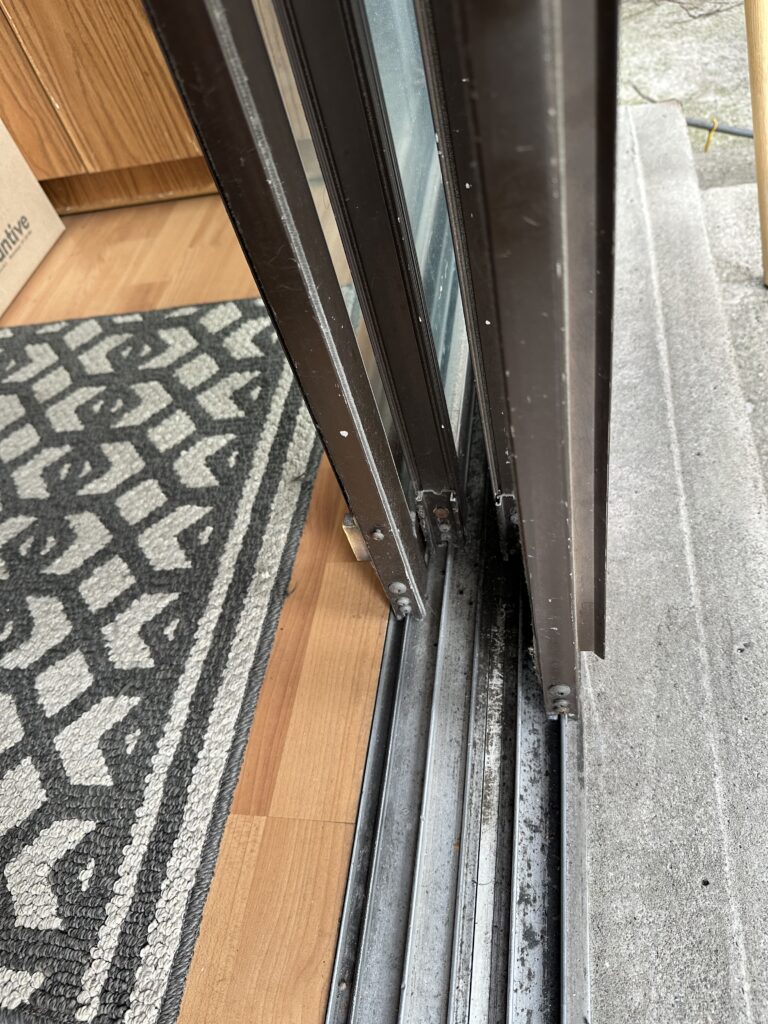
The track your door slides along is just as prone to buildup as the rollers. Sand, leaves, dust, and general debris settle into the track grooves, especially if your patio door gets a lot of foot traffic or sits near a garden, beach, or high-wind area.
We recommend vacuuming the track thoroughly using a narrow attachment, then wiping it down with a damp cloth to lift anything the vacuum missed. Once it’s clean and dry, a silicone-based lubricant (not a heavy grease) will help the rollers glide smoothly without attracting more grime. Avoid WD-40 or petroleum-based products long-term, since they tend to gum up over time and make the problem worse.
If the track itself is bent, dented, or corroded — which can happen after years of wear or a hard impact — cleaning and lubrication won’t solve the issue. A bent track usually needs to be repaired or replaced by a professional to restore smooth movement.
Your Door (or Frame) Has Shifted Out of Alignment
Homes settle. It’s a natural process, and it happens gradually enough that most people don’t notice until a door or window starts behaving strangely. As a house settles, door frames can shift slightly out of square, which throws off the alignment between the door panel and the track it’s supposed to glide along.
When this happens, the door doesn’t necessarily look crooked to the eye, but it will bind or drag at certain points as it moves. Many sliding patio doors include small adjustment screws near the bottom rollers specifically for this reason — turning them slightly raises or lowers the door panel to correct minor alignment issues. If you’re comfortable doing so, this is a simple DIY fix. If turning the screws doesn’t help, or you notice a visible gap or unevenness at the top or sides of the frame, that’s usually a sign the misalignment goes beyond what adjustment screws can fix, and it’s worth having someone take a look.
Warping or Swelling From Moisture and Temperature
This one is especially common with wood-framed doors, but it can happen with vinyl and aluminum frames too, depending on the quality of the materials and how well the door was installed originally. Humidity, temperature swings, and direct sun exposure can cause frame materials to expand, contract, or warp slightly over time.
A telltale sign of this issue is a door that slides fine in cooler, dry weather but sticks noticeably during humid summer months or right after rain. If that pattern sounds familiar, it’s worth having your door and frame inspected. Warping isn’t always something you can see with the naked eye, but it can absolutely affect how smoothly the door operates — and it can also point to a bigger weatherproofing issue, since a warped frame often means your seals aren’t doing their job anymore either.
The Door Is Simply Reaching the End of Its Lifespan
If you’ve cleaned the rollers, cleared the track, adjusted the alignment, and the door is still sticking, it may simply be a matter of age. Sliding doors, like most hardware in your home, have a functional lifespan. Rollers wear down, tracks develop grooves from years of friction, and frames can lose their structural tightness.
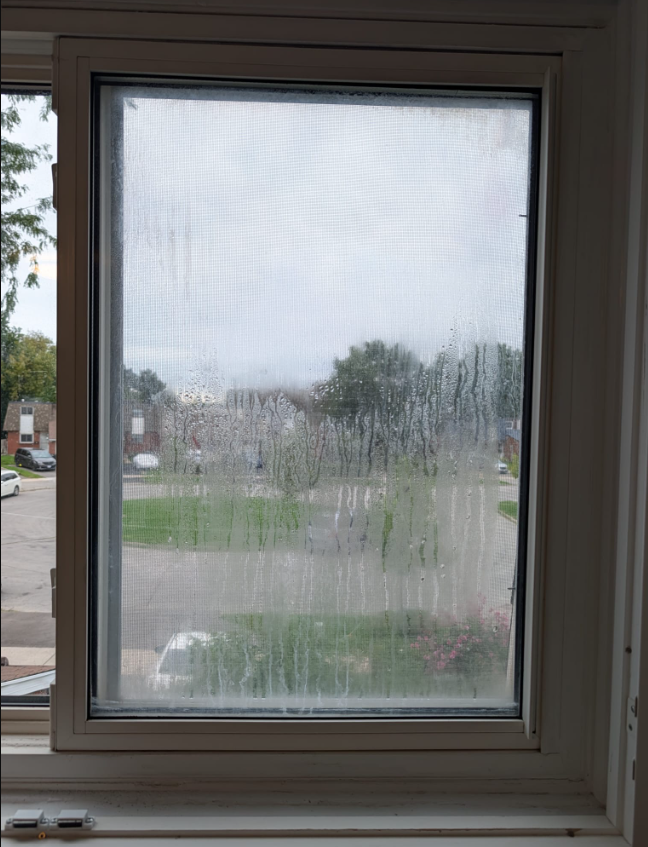
When a door reaches this stage, we usually see a few other warning signs alongside the sticking: noticeable drafts even when the door is closed, condensation or fogging between glass panes (a sign the seal has failed), visible wear on the frame, or difficulty locking the door securely. If you’re noticing several of these issues together, it’s a good indication that you’re not just dealing with a maintenance problem — you’re dealing with a door that’s nearing the end of its useful life.
Why Rollers Fail Faster Than Most People Expect
It’s worth taking a moment to explain why rollers tend to be the first thing to go, since it’s not always intuitive. Every time your patio door opens or closes, the full weight of the glass panel — which can easily be 100 pounds or more for a standard-sized door, and considerably heavier for larger or triple-pane units — rests on just two small wheels. That’s a lot of weight concentrated on a small amount of hardware, day after day, year after year.
Standard nylon or plastic rollers are common in many doors because they’re inexpensive, but they also tend to wear down faster than steel or stainless-steel ball-bearing rollers. If your patio door came with a builder-grade set of rollers, it may need replacement sooner than you’d expect, even with regular cleaning and maintenance. This is one of the reasons we always ask homeowners how old their door is and what it’s made of before diagnosing the issue over the phone — the answer often points us straight to the likely cause.
How Weather and Seasons Play a Bigger Role Than You’d Think
We mentioned earlier that humidity and temperature can cause frames to swell or warp, but it’s worth digging into this a bit more, because seasonal patterns are one of the biggest clues in diagnosing a sticky door. This is especially true here in Toronto and across the GTA, where we go from humid summers to freezing, dry winters within the same calendar year — a swing that puts real stress on door frames and hardware. If your patio door slides just fine in the winter but becomes noticeably harder to open every summer, that’s not a coincidence — it’s a strong sign that heat and humidity are affecting the frame material.
Wood is the most susceptible to this, since it naturally absorbs and releases moisture from the air. But vinyl and even aluminum framing can expand slightly in extreme heat, which is enough to throw off the tight tolerances needed for a smooth-sliding door. If you notice this pattern year after year, it usually means the frame itself needs attention, not just the rollers or track. Left unaddressed, this kind of recurring swelling can eventually lead to more permanent warping, which is much harder to correct without a repair or replacement.
When a Sticky Door Signals a Bigger Energy Efficiency Problem
Here’s something many homeowners don’t realize: a hard-to-slide door is sometimes the first noticeable symptom of a bigger issue with your door’s seals and weatherstripping. When a frame shifts, warps, or wears down, it doesn’t just affect how smoothly the door glides — it can also compromise the seal that keeps outside air, moisture, and insects out of your home.
If you’ve noticed your energy bills creeping up, felt a draft near your patio door, or seen condensation forming between the glass panes, these are signs that your door’s efficiency has already been affected. This matters even more during a Toronto winter, when a compromised seal can mean cold air pouring in right next to where your family spends time. In these cases, fixing the sliding issue alone treats the symptom without addressing what’s actually going on. We always recommend homeowners think about the full picture — sliding smoothness, draft protection, and seal integrity — rather than treating each one as a separate, unrelated problem.
A Few Things We Don’t Recommend
While there’s no shortage of advice online about fixing sticky doors, a few common suggestions can actually cause more harm than good:
- Avoid petroleum-based lubricants like WD-40 for long-term use. They tend to attract dust and dirt, which builds back up in the track within weeks.
- Don’t force the door if it’s not moving. Forcing a stuck door can bend the track or crack a roller that might otherwise have been repairable.
- Be cautious with DIY track bending. If your track has a slight bend, it might be tempting to try straightening it yourself. In our experience, this often makes the bend worse or introduces new alignment issues.
- Don’t ignore a door that’s “only a little” sticky. Minor sticking rarely stays minor. Left alone, worn rollers and dirty tracks tend to get progressively worse rather than resolve on their own.
So, Repair or Replace?
Here’s how we’d suggest thinking about it. If the sticking is a new or recent issue, start with the basics: clean the track, clean or lubricate the rollers, and check the alignment screws. This solves the problem more often than people expect, and it costs little to nothing to try.
If you’ve done all of that and the door is still difficult to operate, or if you’re noticing drafts, fogging, or visible wear alongside the sticking, it’s worth having a professional take a look. At that point, you’re usually choosing between a targeted repair — replacing rollers, adjusting or repairing the track, resealing the frame — or a full door replacement, and the right choice depends on the age of the door, the extent of the wear, and whether you’re also dealing with energy efficiency concerns.
We know patio door replacement is a bigger investment than a $15 bottle of track lubricant, so we never recommend jumping straight to “replace it” without ruling out the simpler fixes first. But we also believe in being upfront: if your door is old enough that you’re patching one issue only to have another pop up a few months later, continuing to sink money into repairs isn’t always the most cost-effective path.
What We’d Recommend Doing Right Now
- Vacuum and clean the track thoroughly.
- Clean the rollers, checking for cracks, flat spots, or visible wear.
- Apply a silicone-based lubricant to the track and rollers.
- Check for and adjust the alignment screws near the bottom of the door.
- Note whether the sticking is paired with drafts, fogging, or visible frame damage.
If you go through these steps and your door is still hard to slide, that’s usually the point where a proper inspection makes sense. A sticky door is often just telling you it needs a little attention — but sometimes it’s telling you something bigger is going on behind the scenes.
At Revitalize Windows and Doors, we’d rather give you an honest answer and a clear next step than push a sale you don’t need yet. We proudly serve homeowners throughout Toronto and the greater GTA, and if you want a second opinion on what’s actually going on with your patio door, we’re happy to take a look and walk you through your options — no pressure, just clarity.