Can Single Hung Windows Be Repaired?
If you’ve got a single hung window that’s sticking, won’t stay open on its own, or has a cracked pane, there’s a good chance someone has already told you it needs to be fully replaced. That’s not always true, and it’s one of the more common pieces of advice we end up correcting when we’re out assessing windows across Toronto. In most cases, a single hung window can absolutely be repaired, and full replacement is usually only necessary when the frame itself has failed structurally.
This guide walks through exactly what can and can’t typically be repaired on a single hung window, the most common issues we see, and how to tell whether your specific window is a repair job or a genuine replacement situation. If you’re dealing with a stuck sash, broken hardware, or a failed seal right now, our window repair services for glass, cranks, and screens cover most of what we’ll walk through below.
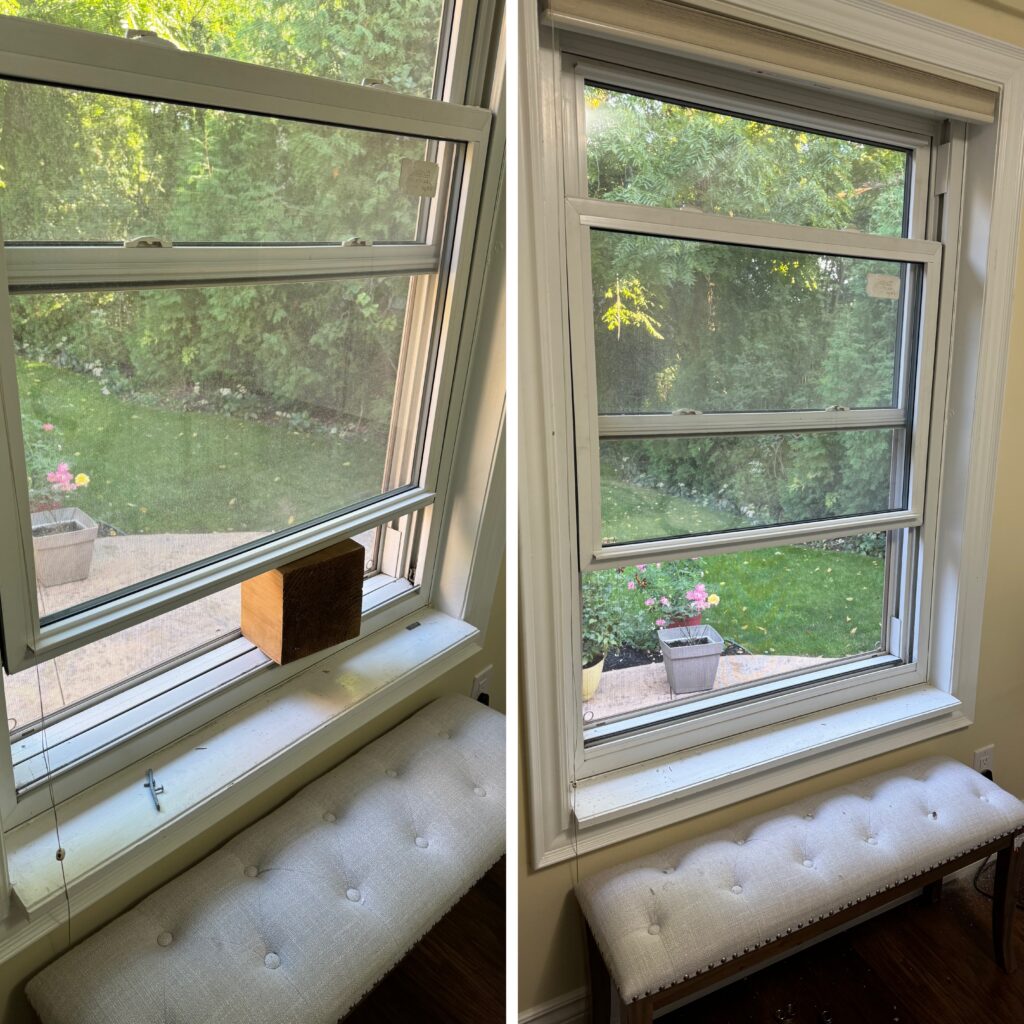
1. What Makes Single Hung Windows Different
A single hung window has two sashes, the top and bottom panels that hold the glass, but only the bottom sash moves. The top sash is fixed permanently in place. This is different from a double hung window, where both sashes slide, and it matters here because it affects which parts are actually serviceable.
Because only the bottom sash operates, most of the mechanical wear and tear on a single hung window happens in that lower section: the sash itself, the balance system that helps it move smoothly, and the lock that secures it when closed. The fixed top sash rarely develops mechanical issues since it isn’t moving, though it can still develop seal failures or glass damage over time just like any other window.
Understanding this distinction helps explain why most single hung window problems are isolated to specific, repairable components rather than affecting the entire unit.
2. Common Issue: A Sash That Won’t Stay Up
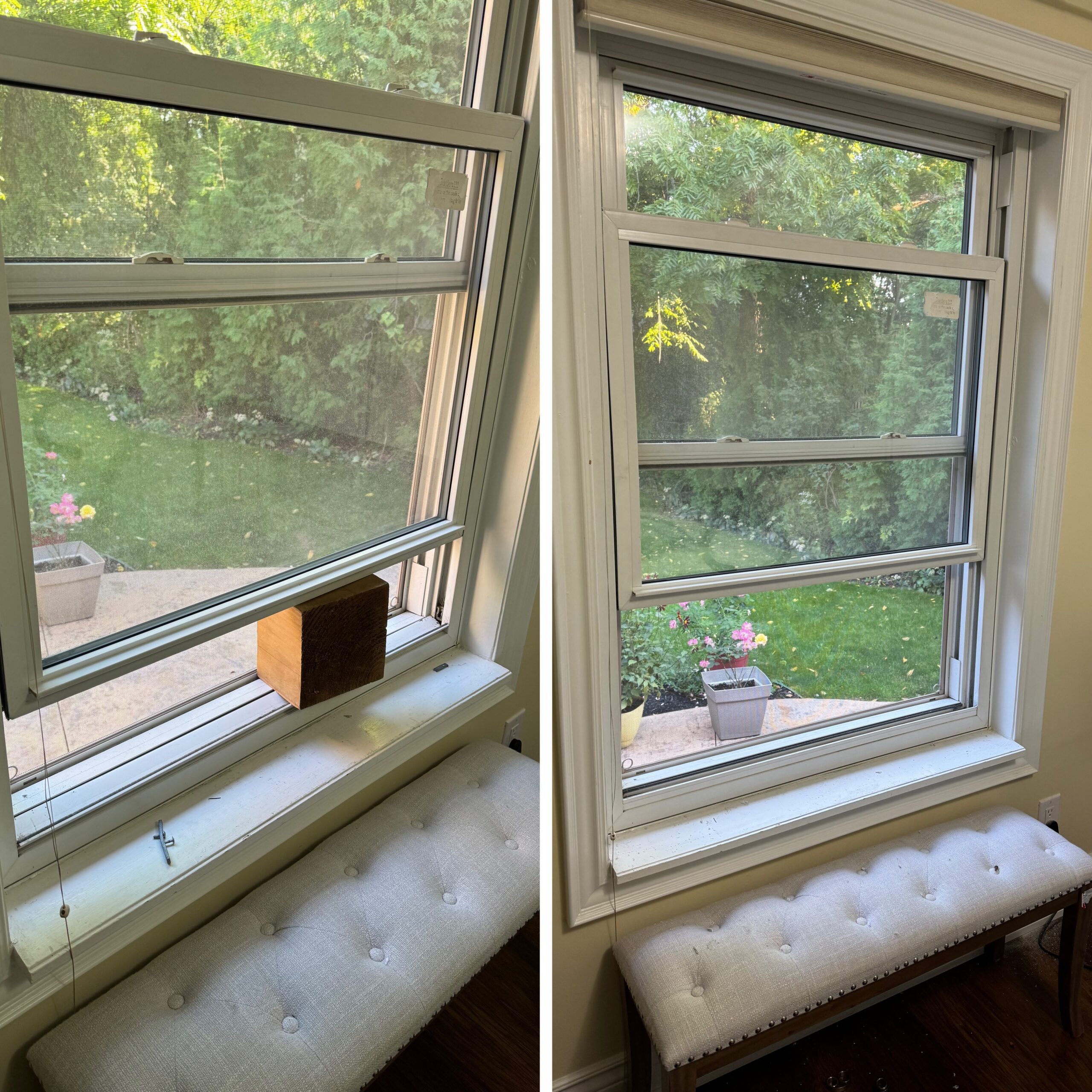
This is probably the single most common complaint we hear about single hung windows. You lift the bottom sash, let go, and it slowly slides back down, sometimes slamming shut entirely.
This happens because of a failed balance system; the spring-loaded or weighted mechanism built into the sides of the window frame that’s supposed to hold the sash in place at any height. Balances wear out over time, especially on older windows, and in many cases, they can be replaced individually without touching anything else on the window.
Is this repairable? Yes, in almost all cases. Balance replacement is one of the most straightforward and common single hung window repairs we perform.
3. Common Issue: The Sash Is Difficult to Open or Close
A sash that sticks, requires excessive force, or grinds against the frame usually points to one of a few specific causes: paint buildup along the track, warped or swollen wood (common on older wood-framed windows after humid summers), debris in the tracks, or worn glide components on vinyl frames.
Is this repairable? Almost always. This is typically one of the easier fixes, often resolved with cleaning, lubrication, or minor track adjustment. In cases where wood has genuinely warped from prolonged moisture exposure, more involved repair or partial frame work may be needed, but full window replacement is rarely required for this issue alone.
4. Common Issue: Foggy or Cloudy Glass
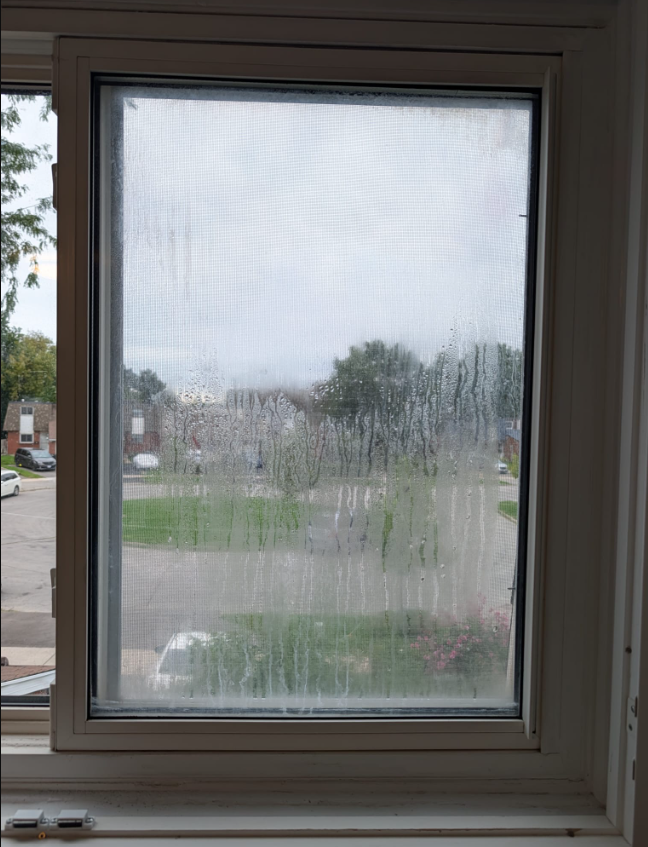
If you’re seeing moisture or fog trapped between the panes of glass, that’s a sign the seal on your insulated glass unit (IGU) has failed, allowing humidity to get inside where it can’t be wiped away.
Is this repairable? Yes, and this is an important one, because many homeowners assume foggy glass means the whole window needs replacing. In reality, the glass unit itself can typically be replaced within the existing sash and frame, which is significantly less expensive than a full window replacement. The frame, hardware, and balance system are usually still in perfectly good condition; it’s just the sealed glass unit that’s failed.
5. Common Issue: A Cracked or Broken Pane
Whether it’s from an impact, a stray branch during a storm, or a settling frame putting stress on the glass, a cracked pane on its own doesn’t mean the window is done for.
Is this repairable? Yes. Similar to foggy glass, a cracked pane typically only requires glass replacement within the existing sash, assuming the frame and sash structure are otherwise sound. The exception is if the crack has resulted from, or caused, structural damage to the sash itself, which is less common but worth having assessed.
6. Common Issue: Broken or Missing Locks and Hardware
Locks, cranks, and latches on single hung windows can wear out, snap, or seize over years of use, particularly on older windows where original hardware is no longer manufactured in the exact same style.
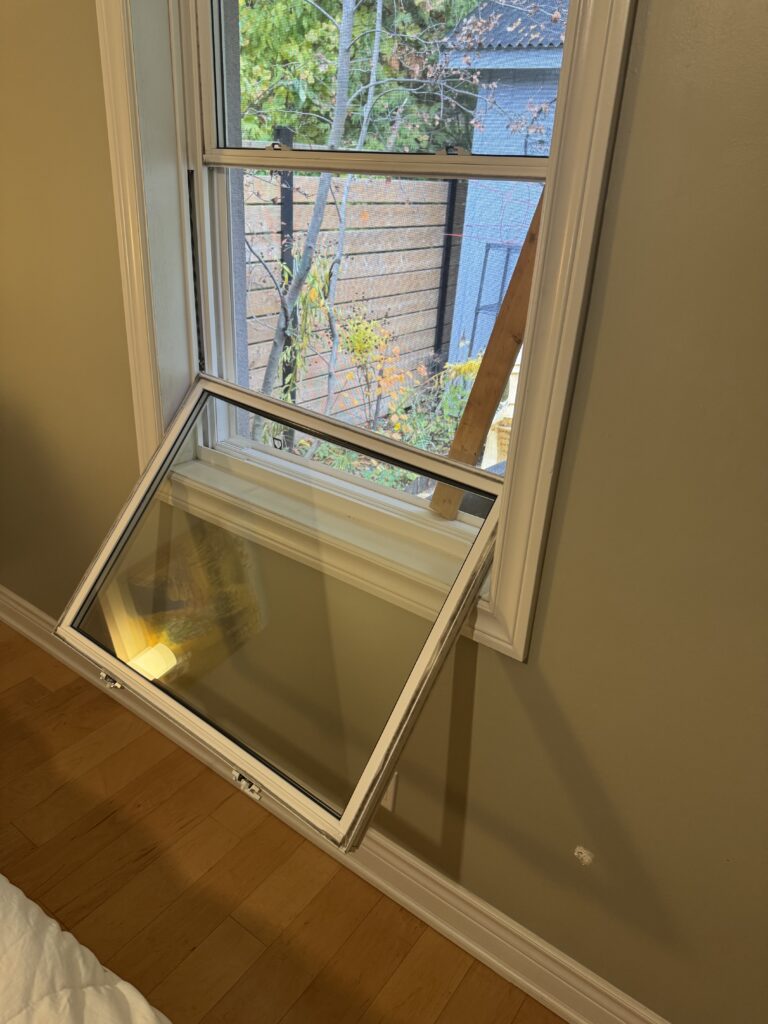
Is this repairable? Yes, in the vast majority of cases. Even when an exact original part isn’t available, there are usually compatible replacement options that restore full function without needing to replace the entire window.
7. When Repair Isn’t the Right Call
We believe in repairing what can genuinely be repaired, but there are situations where replacement does become the more sensible option:
- Structural frame rot, particularly common on older wood-framed windows where prolonged moisture exposure has compromised the integrity of the frame itself, not just the sash.
- Severely warped or bowed frames, where the window opening itself is no longer square enough for a sash to seal properly no matter how it’s adjusted.
- Multiple compounding failures, such as a rotted frame combined with failed glass and broken hardware, where the cost of individually repairing everything approaches or exceeds the cost of replacement.
- Outdated glazing that no longer meets your energy efficiency goals, which isn’t a “broken” issue so much as a performance upgrade decision.
If your window falls into one of these categories, we’ll tell you directly rather than trying to patch together a repair that won’t hold up long-term. Our goal is matching the right solution to the actual condition of your window, not defaulting to the most expensive option.
8. How to Tell the Difference Yourself
Before calling anyone, a quick visual and physical check can give you a good sense of which category your window falls into:
- Press gently on the frame corners. If they feel soft, spongy, or you can see visible rot or crumbling, that points toward a frame issue rather than a simple component repair.
- Check if the sash moves at all, even with difficulty. If it moves but doesn’t stay up, that’s almost always a balance issue, not a frame issue.
- Look at the glass specifically. Fogging or cracking, on their own, are almost always isolated glass repairs.
- Test the lock and hardware independently from the sash movement. Hardware issues are unrelated to whether the frame or sash itself is structurally sound.
If everything checks out except one specific component, isolated repair is almost certainly the right path. If multiple areas are showing problems simultaneously, particularly if the frame itself feels compromised, it’s worth having a professional assess whether repair still makes financial sense.
Key Terms Worth Knowing
Sash: The moving frame that holds the glass in place within a window. On a single hung window, only the bottom sash operates.
Balance System: The spring-loaded or counterweighted mechanism inside the window frame that holds the sash in place at any height and controls how smoothly it moves.
Insulated Glass Unit (IGU): A sealed unit of two or more panes of glass with an insulating air or gas-filled gap between them. Fogging occurs when this seal fails.
Glazing: The glass component of a window, along with the process of installing or sealing it into the sash or frame.
Weatherstripping: The flexible sealing material along the edges of the sash that helps block drafts when the window is closed.
What to Expect From a Professional Assessment
When we’re called out to assess a single hung window, we’re checking each of the areas outlined above individually, rather than making a blanket judgment based on a quick glance. A window that looks rough on the surface, with peeling paint or dated hardware, might actually be in excellent structural condition underneath, while a window that looks fine cosmetically could have hidden frame damage that’s only obvious once you know what to check for.
This is really the value of a proper assessment: it separates cosmetic issues, which rarely justify replacement, from structural issues, which sometimes do.
Why This Matters More in Toronto
Given the seasonal extremes we deal with here, from freezing winters to humid summers, single hung windows across Toronto tend to show a fairly predictable pattern of wear: balance failures and sticking sashes from wood swelling and contracting, seal failures from repeated freeze-thaw cycles, and hardware wear from years of regular use. Understanding these common patterns is part of why most single hung window issues here are repairable rather than requiring replacement, since they tend to affect isolated components rather than the entire structure at once.
If you’re dealing with more than one window showing issues, or you’re not sure whether your specific situation calls for repair or replacement, our window and door repair services across the GTA can help you sort out exactly what each window actually needs.
Why Choose Revitalize Windows & Doors Inc
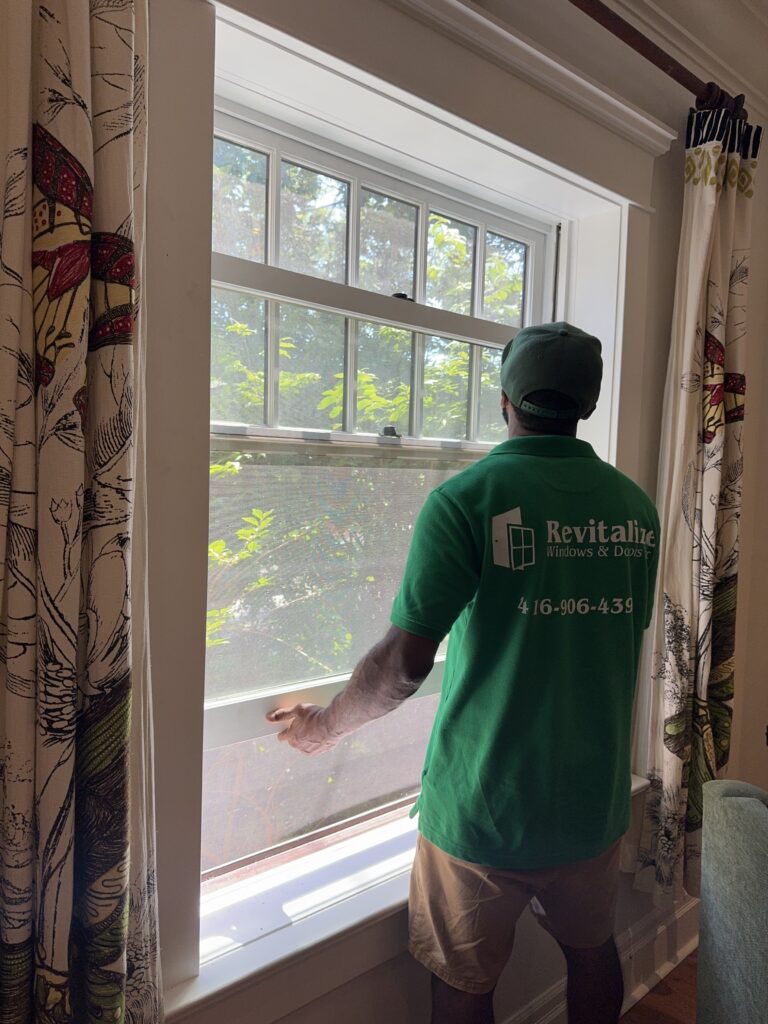
We’ve repaired single hung windows across homes throughout Toronto, from older character homes with original wood sashes to newer vinyl-framed builds. Our approach starts with an honest assessment of what’s actually wrong, component by component, rather than defaulting to a full replacement recommendation before we’ve even looked closely at the window.
How We Can Help You Today
- Balance system replacement for sashes that won’t stay open
- Glass unit replacement for foggy or cracked panes
- Hardware repair and replacement, including locks, cranks, and latches
- Track cleaning and adjustment for sticking or difficult-to-operate sashes
- Full structural assessment to determine repair versus replacement
Frequently Asked Questions
Is it cheaper to repair a single hung window than replace it? In most cases, yes. Isolated repairs like balance replacement, glass unit replacement, or hardware fixes are typically far less expensive than a full window replacement, assuming the frame itself is structurally sound.
Can foggy glass be fixed without replacing the whole window? Yes. Foggy glass is caused by a failed seal in the insulated glass unit, and the glass unit itself can usually be replaced within the existing frame and sash.
How do I know if my window’s balance system has failed? If the sash moves freely but doesn’t stay in place when you lift it and let go, that’s a strong indicator the balance system needs to be replaced.
Are older wood single hung windows harder to repair than vinyl ones? Not necessarily harder, but wood windows are more prone to swelling, warping, and rot from moisture exposure, which can sometimes complicate repairs if the wood itself has been compromised.
When should I stop repairing and just replace the window? If the frame itself shows structural rot, significant warping, or multiple issues are occurring at once, replacement often becomes the more practical and cost-effective option.
Ready to Find Out If Your Window Can Be Repaired?
If you’ve got a single hung window that’s sticking, foggy, or not staying open, there’s a good chance it’s a straightforward repair rather than a full replacement. Contact us directly to request your free quote, and we’ll let you know exactly what your window needs.