
Which Type of Window Is the Most Energy Efficient in Toronto and the GTA?
If you’ve been standing next to a window in your living room this winter wondering why you can feel a draft even with the window fully closed, you’re not imagining things. And if your energy bills have been creeping up year after year without any obvious explanation, your windows are probably part of the story. It’s one of the most common questions we hear from homeowners across Toronto and the GTA: which type of window actually keeps the cold out and the heat in?
The short answer is that casement and awning windows are generally the most energy-efficient window styles you can buy, thanks to the way they seal when closed. Here at Revitalize Windows & Doors, this is one of the most frequent questions our team fields from homeowners across the region. But the full answer is a little more layered than that, because the style of window you choose is only one piece of the puzzle. The glass, the frame material, the number of panes, and even how well the window was installed all play a role in how efficient it actually is once it’s sitting in your wall. Let’s break it all down so you can make an informed decision, whether you’re planning a full replacement or just trying to figure out why your current windows aren’t performing the way they should.
Why Window Efficiency Matters More in Toronto and the GTA
Every homeowner cares about comfort and cost, but window performance carries a bit of extra weight here in Southern Ontario. Toronto and the surrounding GTA see genuinely wide temperature swings over the course of a year, from humid, sticky summer afternoons to bitter January cold snaps, often made worse by wind coming off Lake Ontario. That constant back-and-forth puts real stress on window seals, frames, and glass. Materials expand in the summer heat and contract in the winter cold, and over time that freeze-thaw cycle can loosen seals, warp frames, and create the kind of tiny gaps that let conditioned air leak straight out of your house.
This is also a heating-dominated climate, which means the average GTA household spends far more on heating than on cooling over the course of a year. A drafty window doesn’t just make a room uncomfortable in February, it forces your furnace to work overtime, which shows up directly on your utility bill. Choosing the right window type, and keeping the windows you already have properly sealed, is one of the most effective ways to control that cost.
The Most Energy-Efficient Window Styles
Casement and Awning Windows
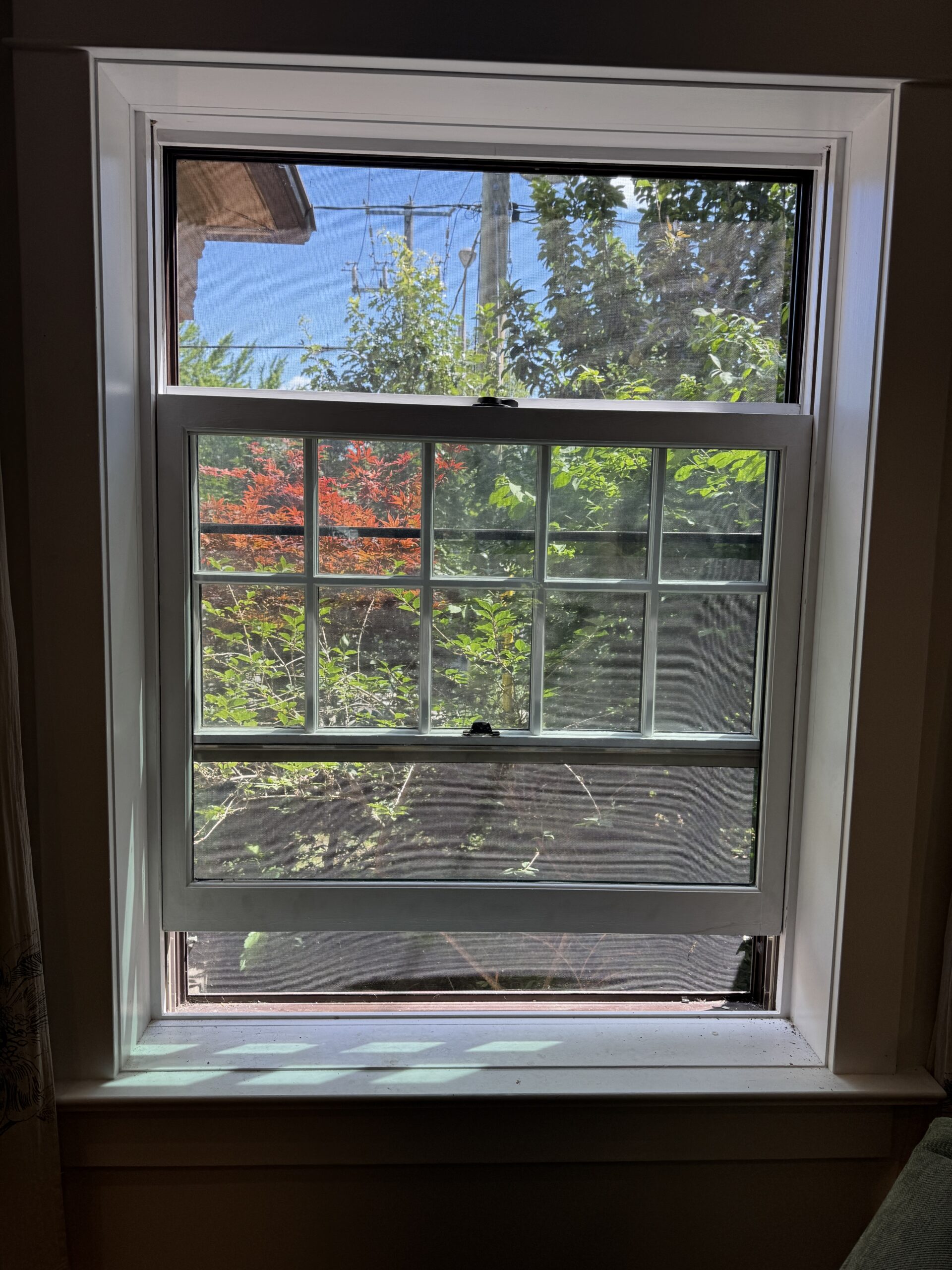
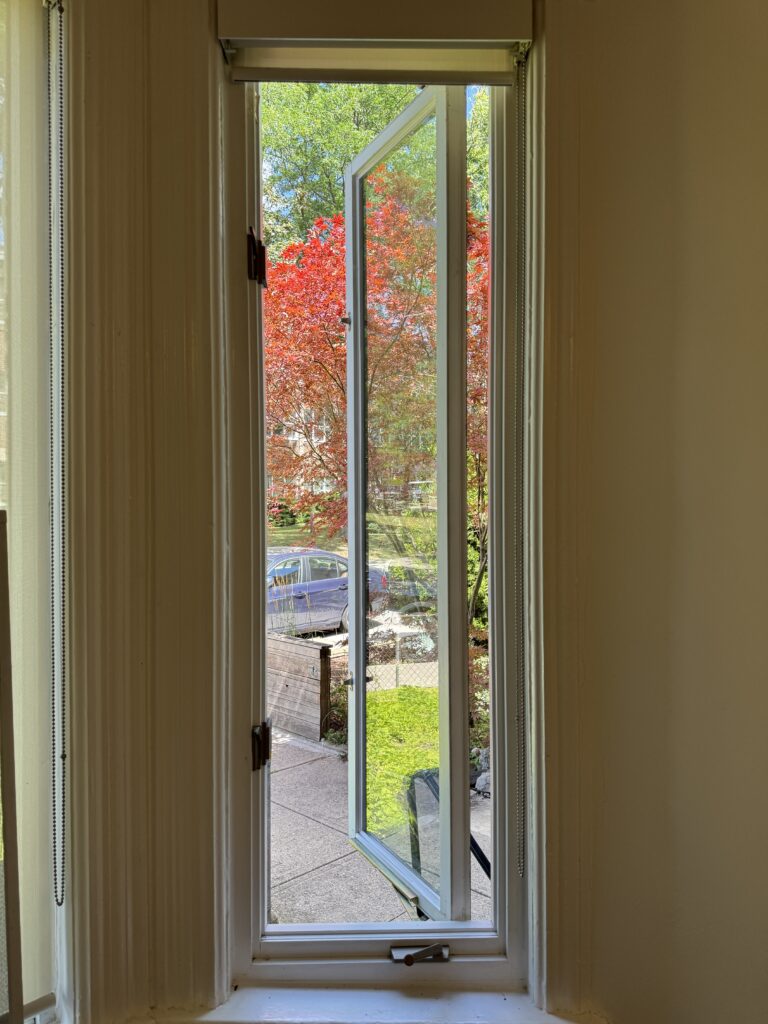
Casement windows, which open outward using a hand crank, and their close cousin the awning window, which hinges at the top and opens outward from the bottom, are widely considered the most energy-efficient operable window styles on the market. The reason comes down to how they seal. When you crank a casement window shut, the sash presses tightly against the frame using a compression seal, essentially the same principle as a refrigerator door. That tight, even pressure creates a much better barrier against air infiltration than a window that relies on sliding tracks.
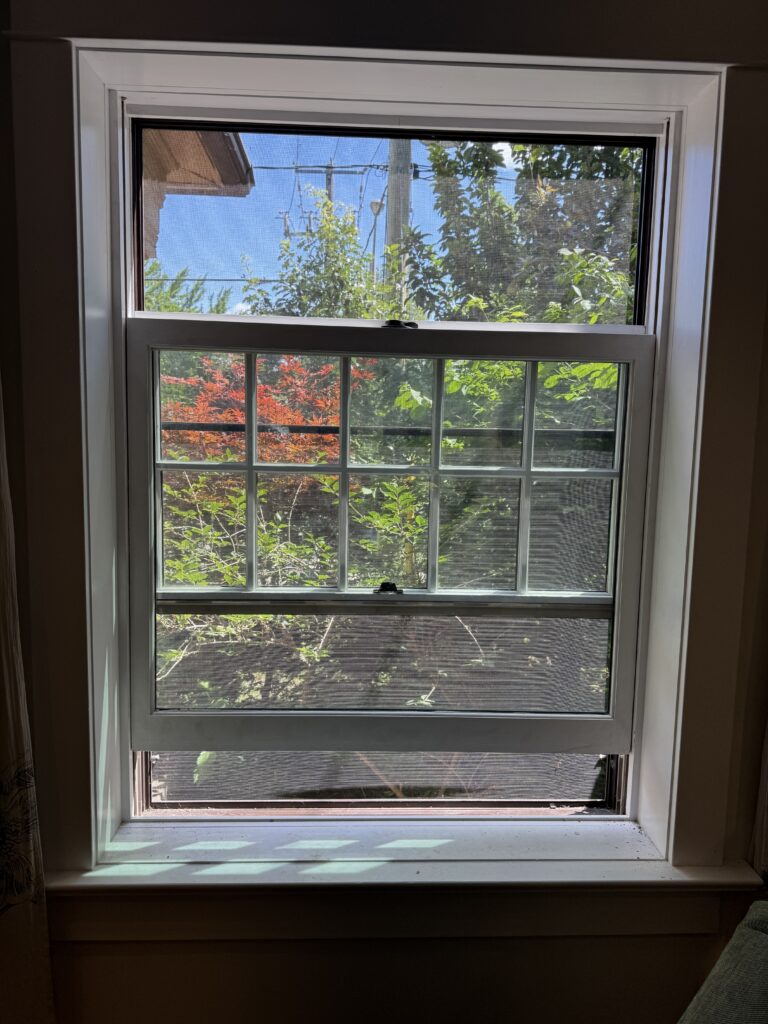
Double-hung and slider windows, by contrast, need a certain amount of looseness in their tracks so the sashes can slide up and down or side to side. That looseness is exactly what allows small amounts of air to sneak through over time, even when the window is fully latched. For homes in exposed or windy locations around the GTA, that difference in seal quality can add up to a noticeable gap in performance.
Picture and Fixed Windows
If a window doesn’t need to open at all, a fixed picture window is typically the most efficient option you can install. Because there’s no sash, no crank mechanism, and no moving parts, there’s simply less opportunity for air to find its way through. Picture windows are a great option for spaces where ventilation isn’t a priority, like a stairwell, a high wall, or paired alongside a patio door that already provides airflow.
Double-Hung and Sliding Windows
None of this means double-hung or sliding windows are a poor choice. They remain enormously popular throughout Toronto’s older neighbourhoods for good reason: they suit classic and character homes, they’re easier to clean from indoors, and they offer flexible ventilation control. They simply require a bit more attention to weatherstripping and hardware condition to perform at their best, since their sliding seals are more prone to gradually loosening compared to a casement’s compression seal.
It’s Not Just the Style. Glass and Frame Matter Just as Much
Here’s something that surprises a lot of homeowners: the operating style of a window is only part of the efficiency equation. Two casement windows can perform very differently depending on what’s actually inside the frame.
Panes of glass. Older single-pane windows offer very little insulation and are common culprits behind cold, drafty rooms in older GTA homes. Modern replacement windows use insulated glass units, or IGUs, which sandwich two or three panes of glass together with a sealed gas-filled space in between. Double-pane glass is the standard baseline for efficiency today, while triple-pane glass adds a third layer and an additional insulating chamber, further reducing heat transfer and outside noise. Triple-pane is a worthwhile upgrade for homes on busy streets or with a lot of west or north-facing glass that takes the brunt of winter wind.
Low-E coatings. Low-emissivity, or Low-E, coatings are a nearly invisible layer applied to the glass that reflects heat while still letting light through. In winter, that means more of your indoor heat stays inside instead of radiating out through the glass. In summer, the same coating helps reflect solar heat away from your home, which keeps rooms cooler without blocking your view.
Gas fills. The space between panes in a modern IGU is typically filled with argon or krypton gas rather than plain air, since these gases conduct heat far less efficiently. It’s a small detail, but it meaningfully improves a window’s overall insulating value.
Frame material. Vinyl and fiberglass frames insulate significantly better than older aluminum frames, which conduct heat and cold directly through the metal. If your home still has original aluminum-framed windows, that frame material alone could be responsible for a large share of your heat loss, regardless of how good the glass is.
Look for a proper energy rating. In Canada, ENERGY STAR-certified windows are rated for specific climate zones, and most of the GTA falls into a zone that calls for strong cold-weather performance. When you’re comparing window options, look at the U-factor (lower is better for insulation) and the Energy Rating, or ER, number, which combines several performance factors into a single easy comparison score.
Can You Improve the Efficiency of the Windows You Already Have?
Full window replacement isn’t always necessary, and we believe in being upfront about that. If your window frames and glass are still in decent shape, a lot of efficiency can be recovered through targeted repairs rather than a full swap.
- Replace worn weatherstripping. This is often the single biggest culprit behind a drafty window that used to feel fine. Weatherstripping compresses and wears out over years of use and temperature cycling, and swapping it out is a relatively simple, affordable fix.
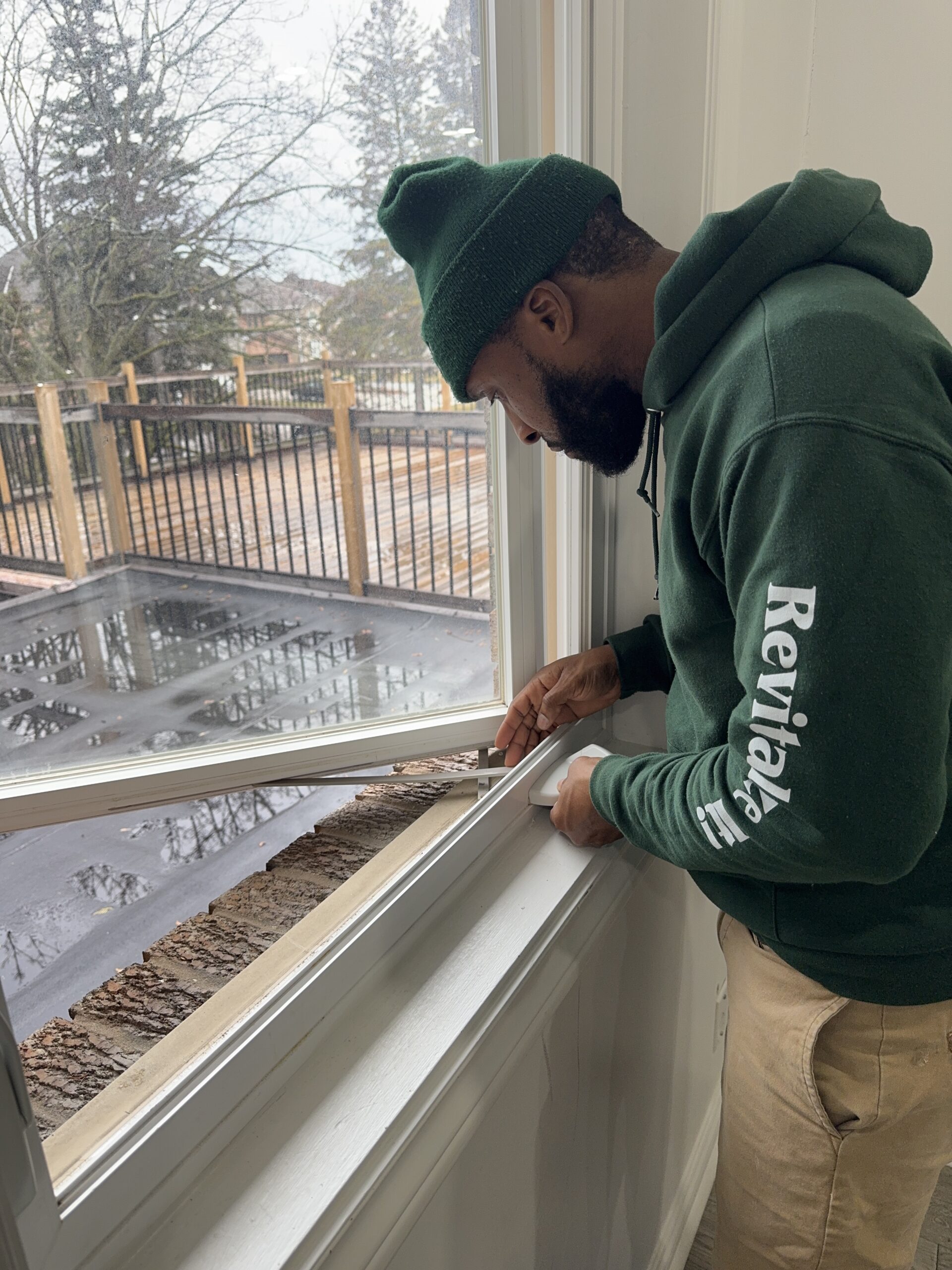
- Repair or replace crank mechanisms and hardware. A casement window that doesn’t crank all the way closed anymore won’t seal properly, no matter how good the glass is. Worn gear mechanisms and loose hinges are common in older GTA homes and are usually repairable.
- Address foggy or failed glass. If you’re seeing condensation or a cloudy haze trapped between the panes of your window, the seal on that insulated glass unit has failed and the insulating gas has escaped. This is one of the clearest signs a window has lost a meaningful chunk of its efficiency, and it’s a repair we handle regularly for homeowners across the region.
- Check for gaps around the frame itself. Sometimes the issue isn’t the window at all, it’s the seal between the frame and the surrounding wall. Fresh caulking and proper insulation around the perimeter can close up drafts that have nothing to do with the window mechanism.
We’ve written more about the broader steps involved in sealing up a home against the elements, and if you want a deeper look at that process, our weatherproofing services page walks through what a full weatherproofing service can address beyond the window itself.
Signs Your Windows Are Losing Efficiency
It’s not always obvious that a window has become an energy drain. A few signs worth paying attention to:
- A noticeable draft when you hold your hand near the window frame on a cold day
- Condensation forming between the panes rather than on the interior surface
- Difficulty locking or fully closing the window
- Rooms near certain windows that feel colder or hotter than the rest of the home
- Rising heating or cooling bills without any other obvious explanation
- Visible warping, discoloration, or gaps around the frame
If any of that sounds familiar, it’s worth having the window inspected rather than assuming a full replacement is your only option. At Revitalize Windows & Doors, we regularly help homeowners across Toronto and the GTA sort out whether a repair will restore performance or whether replacement makes more financial sense long term. Our technicians see the full range of window conditions on a daily basis, from a single loose crank to widespread seal failure across an entire home, so we’re able to give you a realistic read on where your windows actually stand.
Frequently Asked Questions
Is triple-pane glass worth the extra cost in Toronto’s climate?
For homes with significant wind exposure, north-facing rooms, or street noise, triple-pane glass is often worth the investment. For more sheltered homes or budget-conscious projects, a quality double-pane window with Low-E coating and argon fill can still perform very well.
Are casement windows harder to maintain than double-hung windows?
Not particularly, though they do rely on a crank mechanism that can wear out over years of use. The good news is that crank and gear repairs are usually straightforward and far less expensive than replacing the whole window.
Can I improve efficiency without replacing my windows?
In many cases, yes. Fresh weatherstripping, hardware repair, and addressing any seal failures in the glass can restore a lot of lost performance without the cost of a full replacement.
How do I know if my window’s seal has failed?
The clearest sign is fog or condensation trapped between the panes that doesn’t clear up when you wipe the glass, since that moisture is on the inside of a sealed unit that’s no longer airtight.
Let’s Talk About Your Windows
Every home in the GTA is a little different, and the right answer for one house isn’t always the right answer for the one next door. Whether you’re dealing with a drafty casement crank, foggy glass, or you’re simply trying to figure out whether repair or replacement makes more sense for your budget, our team at Revitalize Windows & Doors is happy to take a look and walk you through your options honestly. We proudly serve homeowners throughout Toronto and the wider GTA, and we’re always just a call or a message away.
Ready to get a clearer picture of your options? Reach out for a free quote and we’ll help you figure out the most efficient, cost-effective path forward for your home.

Leave a Reply