How Often Should You Service Your Windows and Doors in Toronto and the GTA?
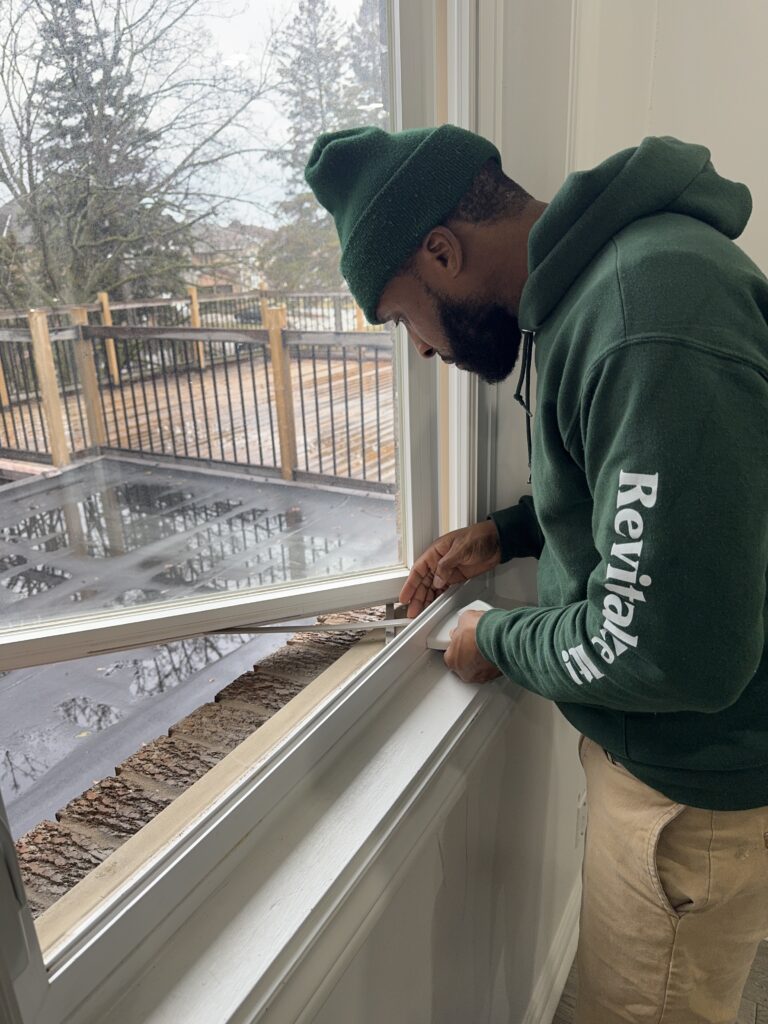
If you’re asking this question, you’re already ahead of most homeowners. Most people don’t think about their windows and doors until something breaks — a crank stops turning, a patio door gets stuck, or a screen tears. But servicing your windows and doors on a regular schedule is one of the easiest ways to avoid those surprise repairs, keep your home comfortable, and protect the value of your property.
So let’s answer the question directly: most windows and doors in Toronto and the GTA should be inspected and serviced at least once a year, with a closer look before and after the winter season. That said, the exact frequency depends on the age of your home, the type of windows and doors you have, and how much wear they get. Below, we’ll break down exactly what that means, why our climate makes this more important here than in most other regions, and how to tell when your windows or doors need attention sooner rather than later.
The Short Answer: Once a Year, With Seasonal Check-Ins
A general rule of thumb is a full inspection and tune-up once per year, ideally in the fall before temperatures drop. This gives you time to catch issues like worn weatherstripping, loose hardware, or foggy glass before winter puts extra stress on your home’s windows and doors.
For homes with heavier use — think patio doors that get opened daily, or older windows with original hardware — a mid-year check in the spring is a smart addition. This isn’t about being overly cautious. It’s about catching small problems while they’re still small, cheap fixes instead of letting them turn into full replacements.
If your home is newer (built within the last five to seven years), you can usually stretch inspections a little further apart, since hardware and seals haven’t had as much time to wear down. Older homes, especially those with original 1980s or 1990s windows, tend to need more frequent attention.
Why the Toronto and GTA Climate Makes This So Important
This isn’t a one-size-fits-all answer, and where you live plays a bigger role than most homeowners realize. Toronto and the GTA see some of the widest temperature swings in the country — hot, humid summers followed by freezing winters, with plenty of freeze-thaw cycles in between. That constant expansion and contraction is hard on window frames, seals, and door hardware.
Freeze-thaw cycles are particularly tough on weatherstripping and caulking, which can crack or shrink over time, letting cold air in and warm air out. Humidity swings can cause wood components to swell and stick, while metal hardware like hinges, rollers, and cranks can seize up if they’re not lubricated and cleaned regularly. Add in road salt, moisture, and the general wear of a busy season, and it’s easy to see why homes across Toronto and the GTA need more consistent servicing than homes in milder climates.
We’ve worked on homes across the region long enough to notice the pattern: the windows and doors that get serviced annually last significantly longer and perform better than the ones that only get attention once something breaks.
Signs You Need Servicing Sooner Than Planned
While a yearly schedule is a solid baseline, your windows and doors will often tell you when they need help before your next scheduled check-up. Watch for these signs:
- Drafts near window or door frames, even when they’re fully closed
- Difficulty opening or closing a window crank, patio door, or screen door
- Foggy or cloudy glass between the panes, which usually signals a broken seal
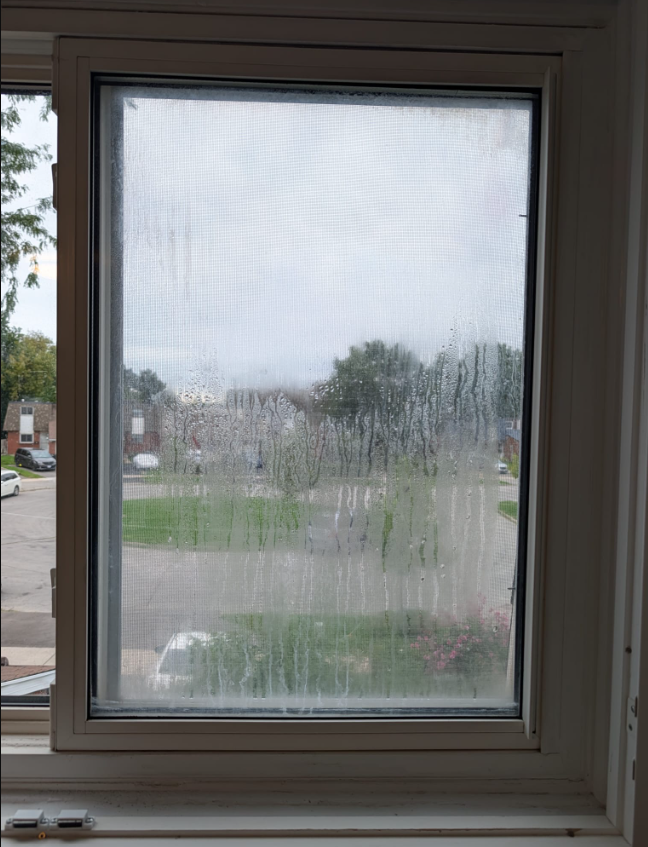
- Condensation buildup on the inside of the glass
- Visible gaps in weatherstripping or caulking
- Higher than usual energy bills, especially during extreme temperature months
- Squeaking, sticking, or grinding when opening sliding doors or windows
- Water intrusion around the frame after heavy rain
If you notice any of these, it’s worth booking a service call rather than waiting for your annual check-in. Small issues like a worn roller or a cracked seal are inexpensive to fix now, but if left alone they can lead to bigger problems like water damage, mould, or the need for a full window or door replacement.
What Does a Professional Servicing Actually Involve?
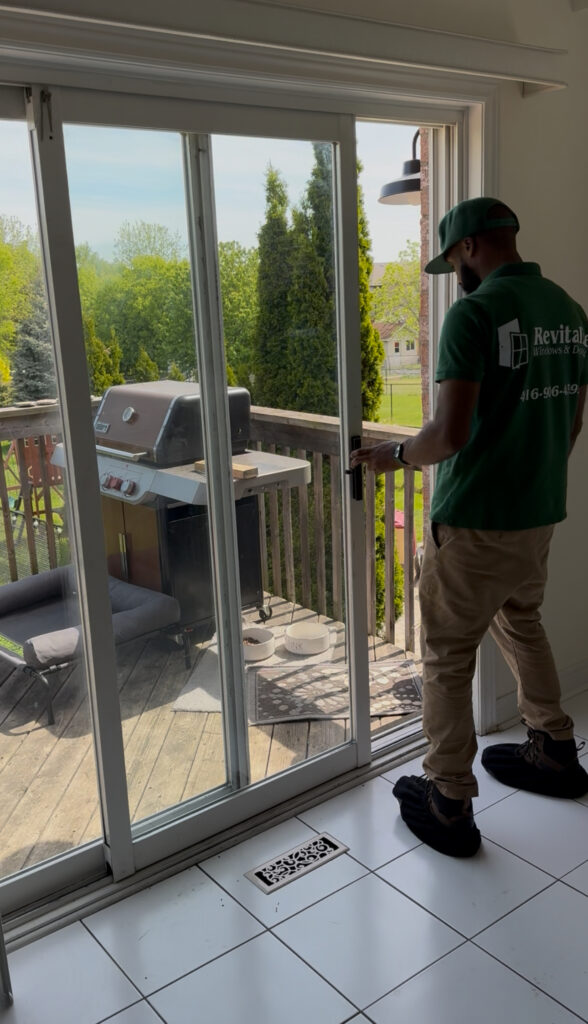
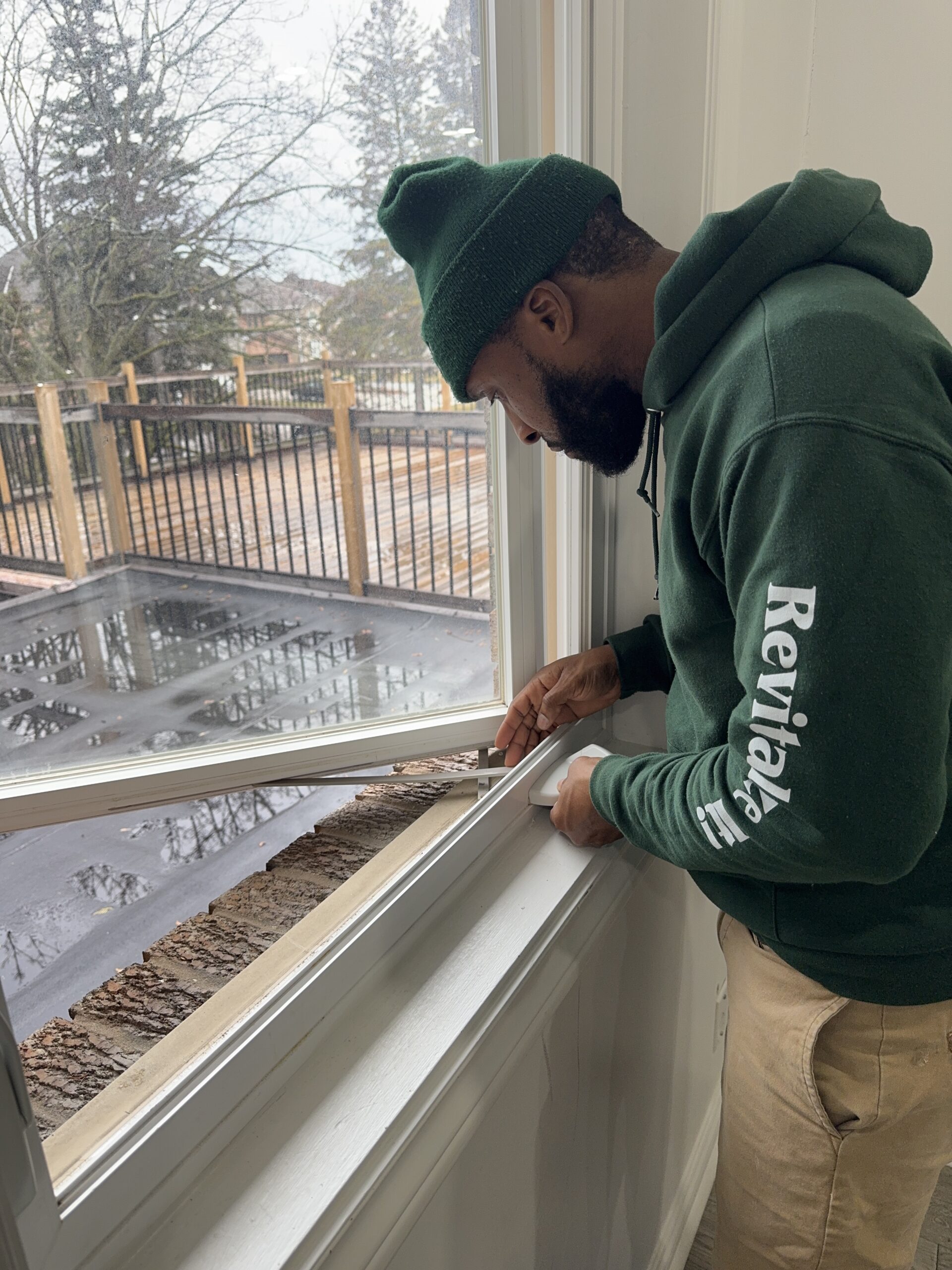
A proper inspection and tune-up covers more than just a quick glance. Here’s what we typically check when we go through a home:
Hardware inspection — cranks, hinges, rollers, locks, and handles are tested for smooth operation and lubricated or replaced as needed.
Seal and weatherstripping check — we look for cracking, shrinking, or gaps that let air and moisture through.
Glass condition — checking for fogging, condensation between panes, or visible cracks that indicate a failed seal.
Frame alignment — doors and windows that have shifted slightly out of alignment can cause drafts and difficulty operating, even if nothing looks visibly wrong.
Screen condition — checking for tears, loose frames, or worn rollers on sliding screens.
Weatherproofing assessment — looking at caulking and insulation around the frame to make sure your home stays sealed against the elements.
This is the kind of work our team at Revitalize Windows & Doors handles regularly for homeowners, property managers, and condo boards across the GTA. If your windows or doors haven’t had a proper seasonal check, our weatherproofing services are a good place to start, especially heading into the colder months.
What Happens If You Skip Regular Servicing
It’s tempting to put off maintenance, especially when everything still seems to be working fine. But skipping regular servicing tends to cost more in the long run, not less. Here’s what we commonly see happen when windows and doors go years without attention:
- Hardware seizes up completely, requiring full replacement instead of a simple repair or lubrication
- Seals fail, leading to fogged glass that can only be fixed by replacing the glass unit entirely
- Drafts increase heating and cooling costs, sometimes significantly, especially during Toronto winters
- Water gets in around frames, which can lead to rot, mould, or damage to surrounding drywall and flooring
- Small cracks in weatherstripping turn into full gaps, letting in pests, allergens, and moisture
None of these issues happen overnight. They build up slowly, which is exactly why annual servicing is so effective — it catches problems while they’re still minor and affordable to fix.
DIY Maintenance vs. Calling in a Professional
There’s a lot homeowners can do on their own between professional visits. Wiping down tracks, vacuuming out debris from window sills, and applying a light lubricant to hinges and rollers can go a long way in keeping things running smoothly.
That said, some things are best left to a professional. Diagnosing a failed seal, realigning a door that’s shifted on its frame, or replacing multipoint locking hardware requires the right tools and experience to do properly. A DIY fix that isn’t done correctly can sometimes make the underlying problem worse, or mask an issue until it becomes more serious.
If you’re not sure whether something needs a professional eye, it’s always worth asking. We’d rather take a quick look and tell you it’s fine than have a homeowner deal with a bigger repair down the road.
How Servicing Frequency Changes By Home and Window Type
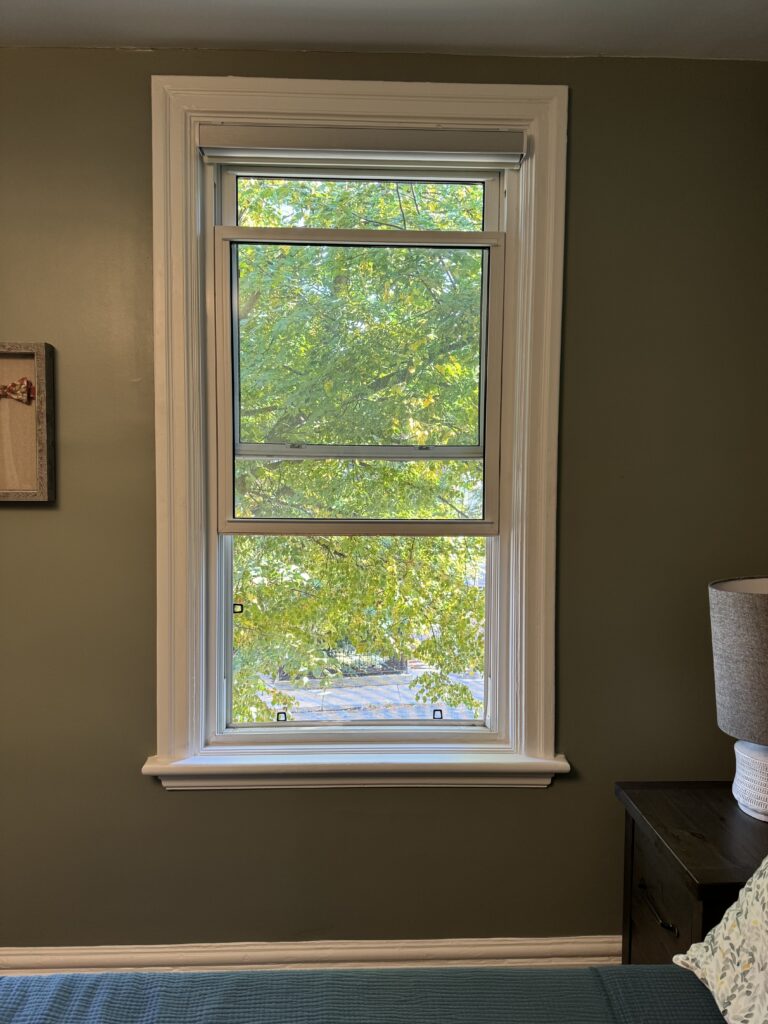
Not every home needs the same servicing schedule. Here’s a general breakdown:
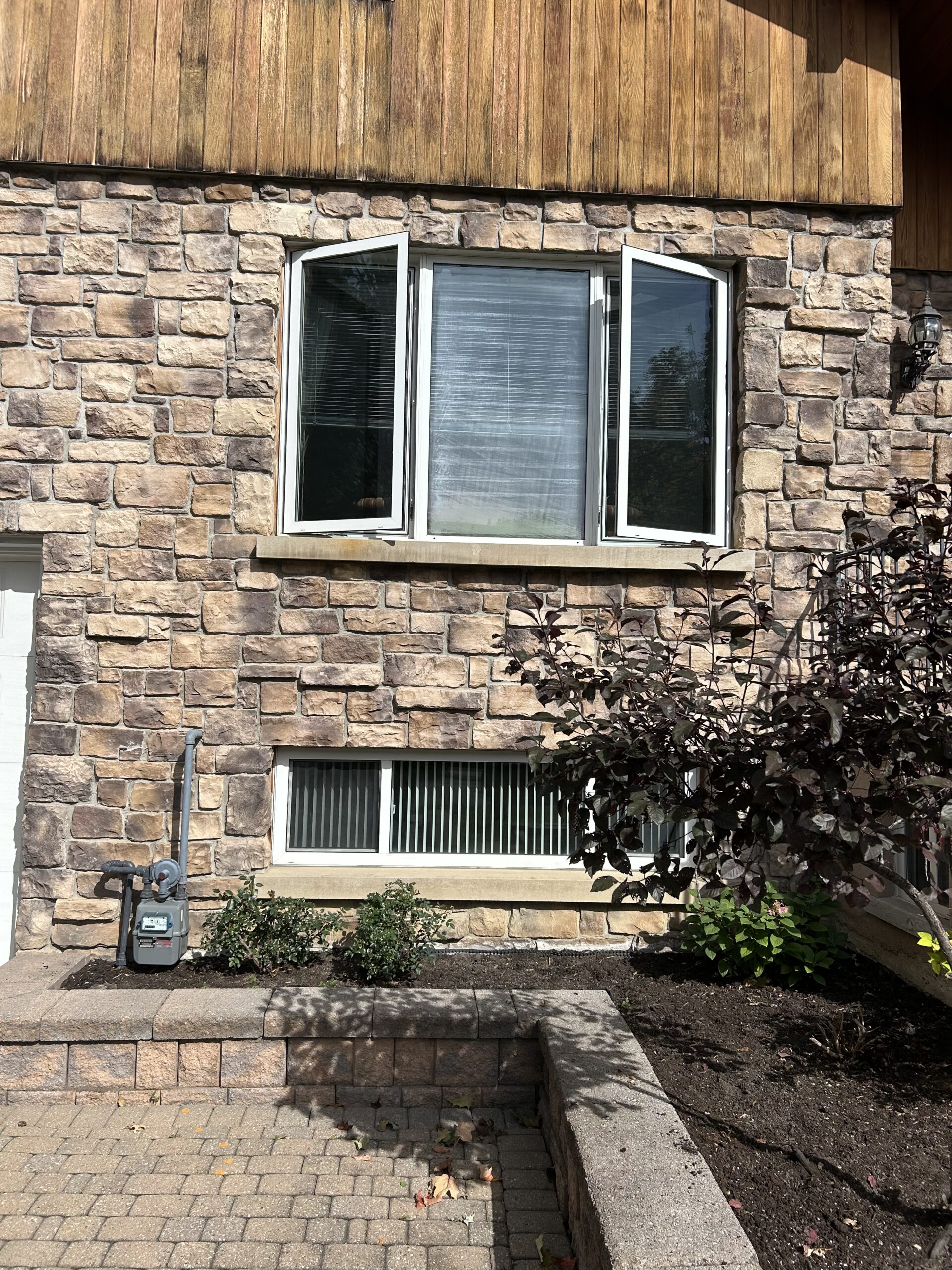
New builds (0–5 years old): Annual inspection is usually enough, since hardware and seals are still relatively fresh.
Older homes (10+ years): Twice a year is a smart baseline, especially for homes with original windows and doors that haven’t been upgraded.
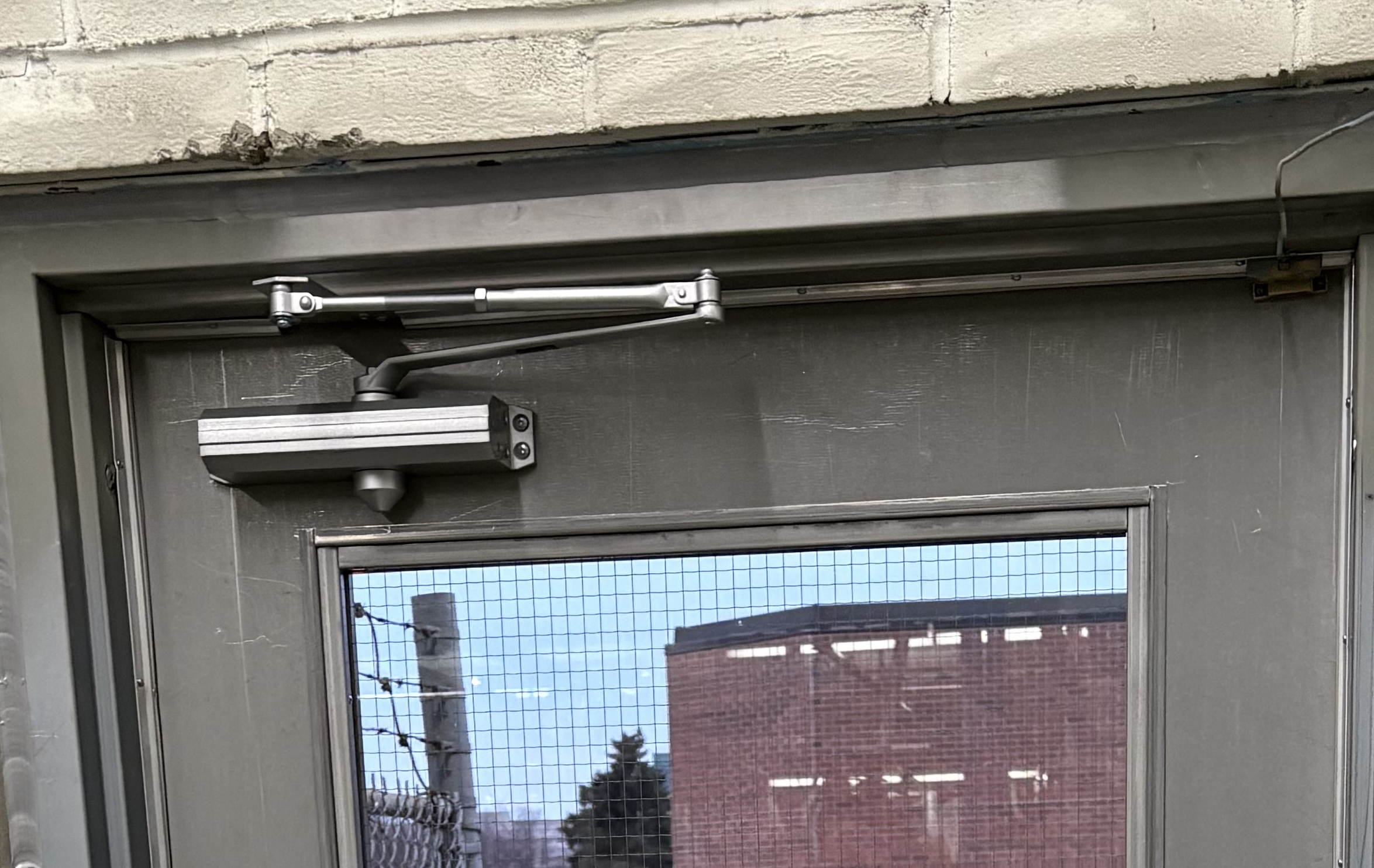
High-rise condos and apartments: Balcony and patio doors see heavy use and exposure to wind and weather, so these often benefit from more frequent hardware checks.
Homes with heavy daily use doors (like a main patio door used constantly): Consider a mid-year hardware check in addition to your annual servicing.
Storefronts and commercial properties: Given higher foot traffic and liability concerns, quarterly checks on door hardware and glass are worth considering.
Servicing Across Toronto and the GTA
Whether you’re in a century home in the west end, a newer build in Vaughan, or a condo tower downtown, the same underlying principle applies: our climate is hard on windows and doors, and regular servicing is the most cost-effective way to protect them. We work with homeowners, property managers, and general contractors throughout the region, and we’ve seen firsthand how much of a difference a consistent servicing schedule makes over the life of a window or door.
If you’re based in the city specifically, take a look at our Toronto window and door repair services page for more on what we offer locally, including response times and the type of work we handle most often in the area.
Frequently Asked Questions
Does it matter what type of windows or doors I have? Yes, to some degree. Vinyl windows tend to hold up well with less frequent servicing, while older wood-framed windows and doors usually need more attention since wood expands and contracts more with temperature and humidity changes. Sliding patio doors, because they have more moving parts, generally need hardware checks more often than a fixed picture window.
Can servicing actually lower my energy bills? It can, and this is one of the most overlooked benefits of staying on top of maintenance. A window or door with worn weatherstripping or a shifted frame lets conditioned air escape, which means your furnace or air conditioner has to work harder. Tightening hardware and replacing worn seals is often a small investment that pays for itself through lower heating and cooling costs over time.
Is it worth servicing windows and doors on a home I’m planning to sell? Absolutely. Drafty windows, sticking doors, and foggy glass are the kinds of small details that stand out to buyers and home inspectors. Getting everything serviced before listing can help avoid negotiations that come up during the inspection process.
How do I know if I need a repair or a full replacement? This is exactly the kind of question we get asked most often, and it’s rarely as simple as one answer fits every situation. In many cases, a repair is all that’s needed, particularly for hardware issues, worn seals, or a single foggy glass unit. Full replacement usually only makes sense when the frame itself is damaged, warped, or when multiple components have failed at once. The best way to know for sure is to have someone come take a look before assuming the worst.
Do condos and apartments need servicing as often as houses? Often more so. Balcony doors and windows in high-rises are exposed to more wind and pressure than ground-level homes, which puts extra strain on hardware and seals. Property managers and condo boards who work with Revitalize Windows & Doors across the GTA typically schedule inspections at least once a year, sometimes twice, depending on the exposure and age of the building.
The Bottom Line
Once a year is the general rule, with extra attention before winter and a mid-year check for homes with heavier use or older hardware. Watching for drafts, sticking hardware, and foggy glass in between visits will help you catch issues early, before they turn into costly repairs or replacements.
At Revitalize Windows & Doors, we’ve built our business around exactly this kind of proactive service — helping homeowners across Toronto and the GTA keep their windows and doors working the way they should, all year round. If it’s been a while since your last inspection, or you’re noticing any of the warning signs above, we’d be happy to take a look.
Contact us today to schedule a service appointment and keep your home protected through every season.