What Type of Weatherstripping Can I Put on My Front Door in Toronto & the GTA?
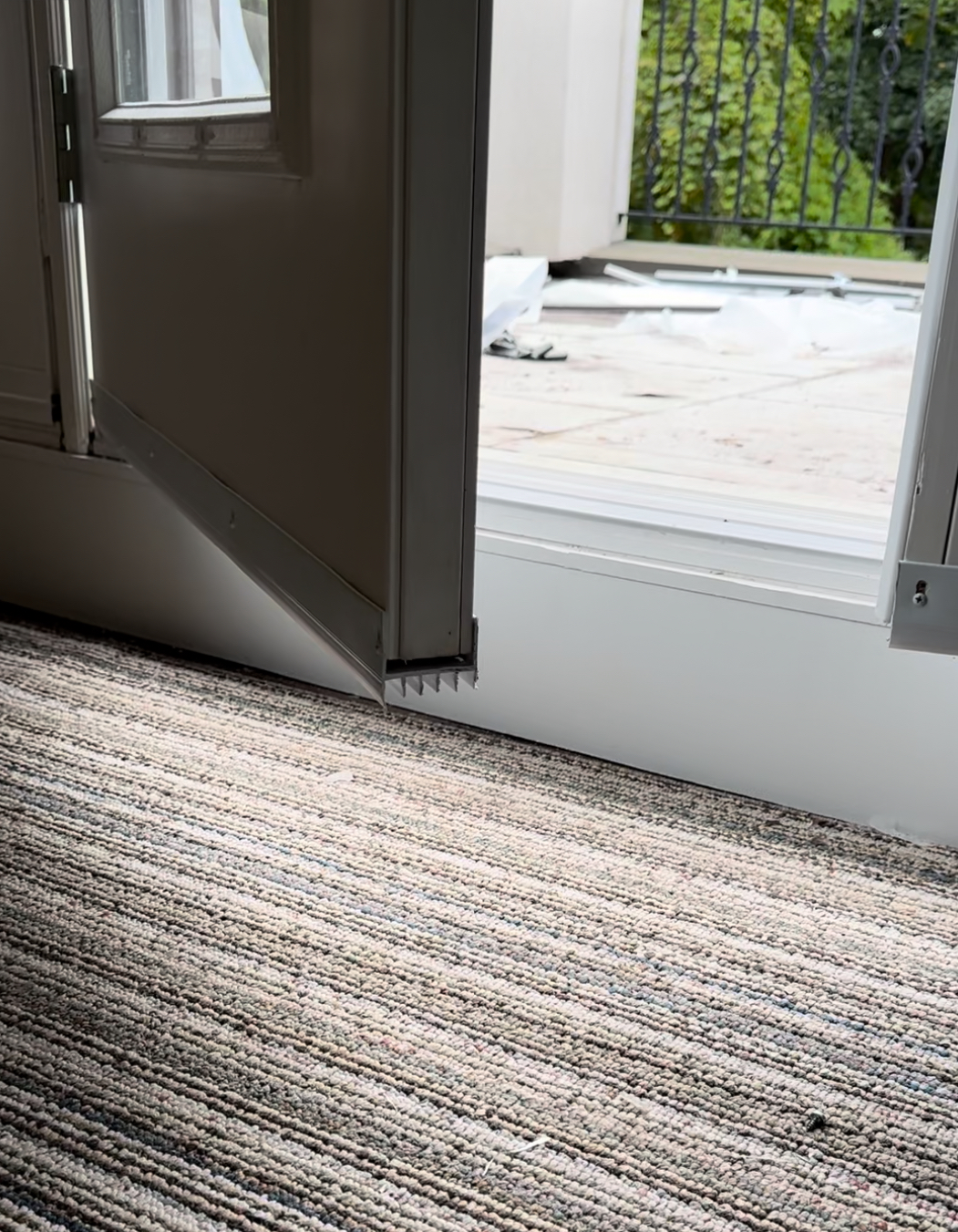
If you’ve felt a draft creeping in around your front door lately, you’re not imagining it. It’s one of the most common questions we get asked all winter (and honestly, all year round) here in Toronto and the GTA: “What kind of weatherstripping should I actually put on my front door?”
It’s a great question, and it deserves a real answer, not just a generic “go buy some foam tape” response. The truth is, weatherstripping isn’t one-size-fits-all. The right product for your front door depends on your door material, the size of the gap you’re dealing with, your budget, and how much wear and tear the Toronto climate throws at it every year. Between the humid summers, the freeze-thaw cycles in the spring and fall, and the brutal cold snaps in January, our doors go through a lot.
So let’s break down the actual types of weatherstripping available, what they’re best for, what they cost, and how to figure out which one makes sense for your home.
Why Weatherstripping Matters More Than You Might Think
Before we get into the types, it’s worth talking about why this even matters. A front door with worn-out or missing weatherstripping isn’t just letting cold air in during the winter, it’s also letting your cooled air escape in the summer, which means your HVAC system is working overtime to compensate. Over a full year, that adds up to real money on your energy bills.
There’s also the comfort factor. Nobody wants to feel a cold draft on their ankles while they’re eating dinner or watching TV in the living room. And beyond comfort and cost, worn weatherstripping can let moisture in, which over time can lead to wood rot, mold, or damage to your door frame, especially with how much precipitation we get here in the GTA throughout the year.
The good news is that weatherstripping is one of the most affordable, high-impact upgrades you can make to your home. It’s also something that needs to be replaced periodically since it wears down from constant use, temperature swings, and UV exposure.
The Main Types of Weatherstripping for Front Doors
1. Felt Weatherstripping
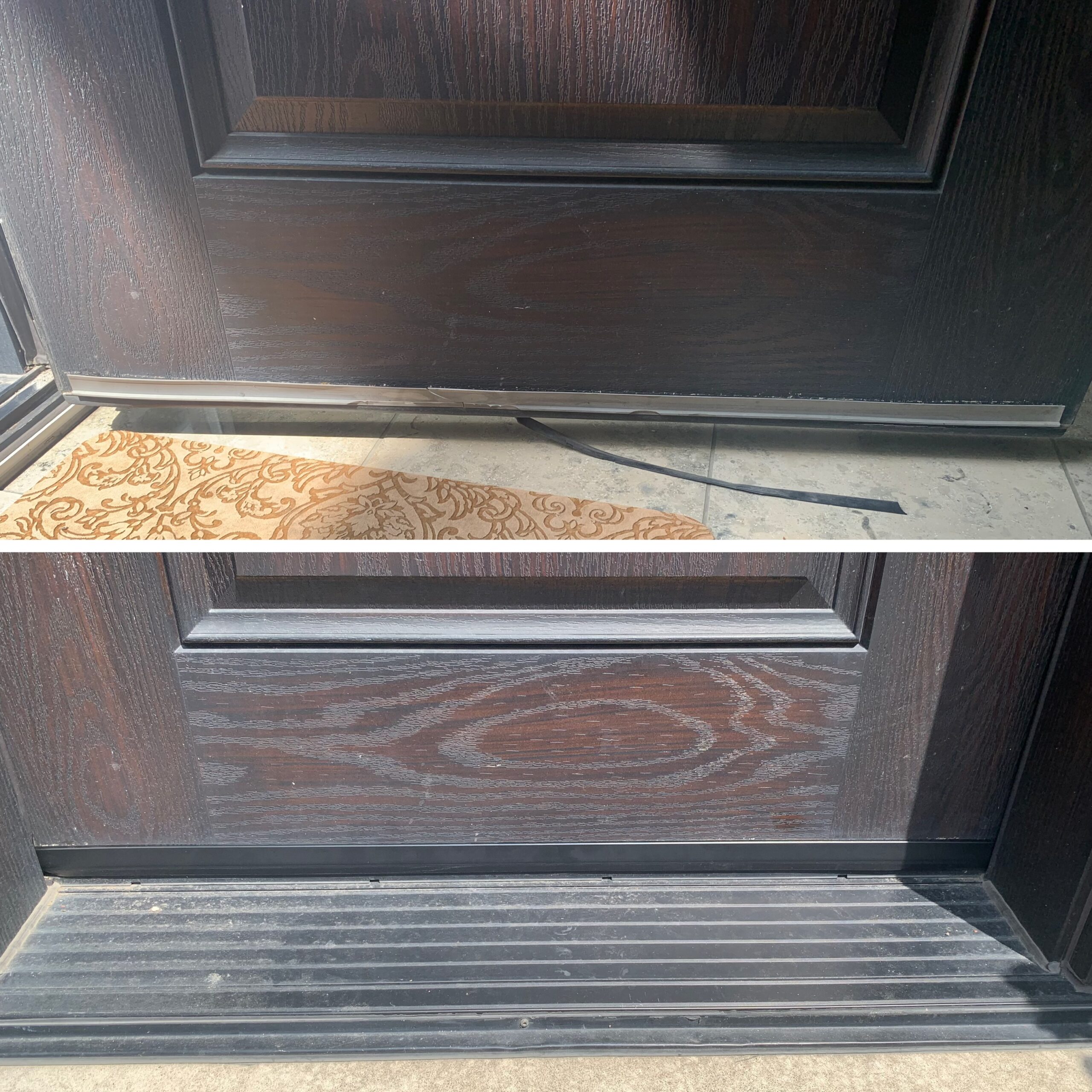
Felt is one of the oldest and cheapest options out there. It’s easy to install, usually just staples or adhesive backing, and it works fine on doors with very minor gaps. That said, felt isn’t particularly durable. It compresses over time, doesn’t hold up well to moisture, and typically needs to be replaced every year or two. For a Toronto winter, we generally don’t recommend felt as a long-term solution unless it’s a temporary fix while you wait for a proper repair.
2. Foam Tape Weatherstripping
Foam tape is another budget-friendly, DIY-friendly option. It comes with an adhesive backing and compresses to fill small to medium gaps around the door frame. It’s a reasonable short-term fix, but foam breaks down relatively quickly, especially with the amount of temperature fluctuation we see between seasons in the GTA. If you’re looking for something that will last multiple winters without needing to be replaced, foam tape probably isn’t it.
3. Vinyl (V-Strip) Weatherstripping
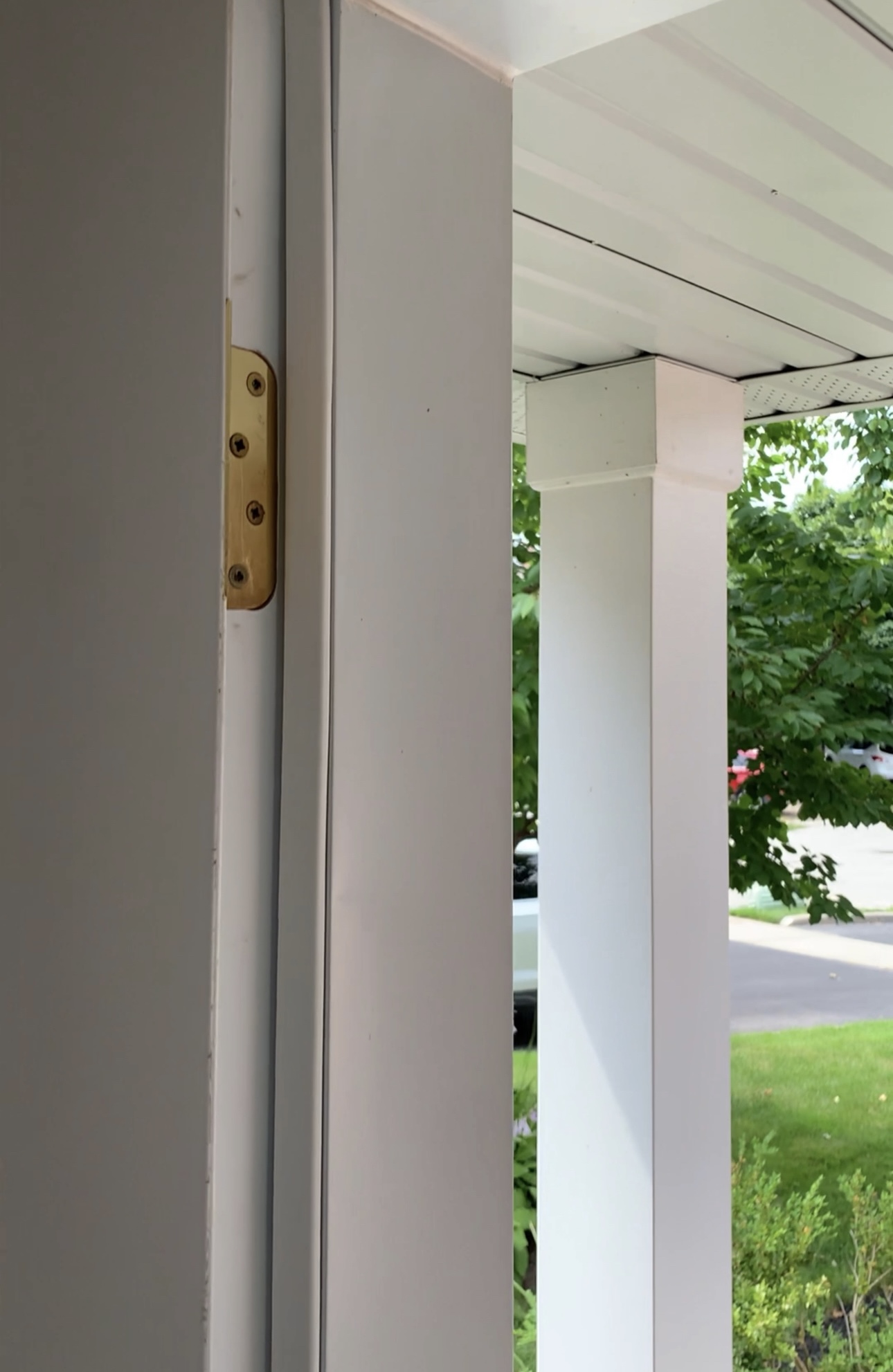
V-strip, sometimes called tension seal, is a step up in durability. It’s made of a durable vinyl or metal folded into a “V” shape that creates tension against the door when it closes, sealing out drafts. It holds up better than felt or foam and works well on both wood and metal doors. It’s a solid mid-range option that many homeowners in Toronto and the GTA choose because it balances cost and performance nicely.
4. Door Sweeps
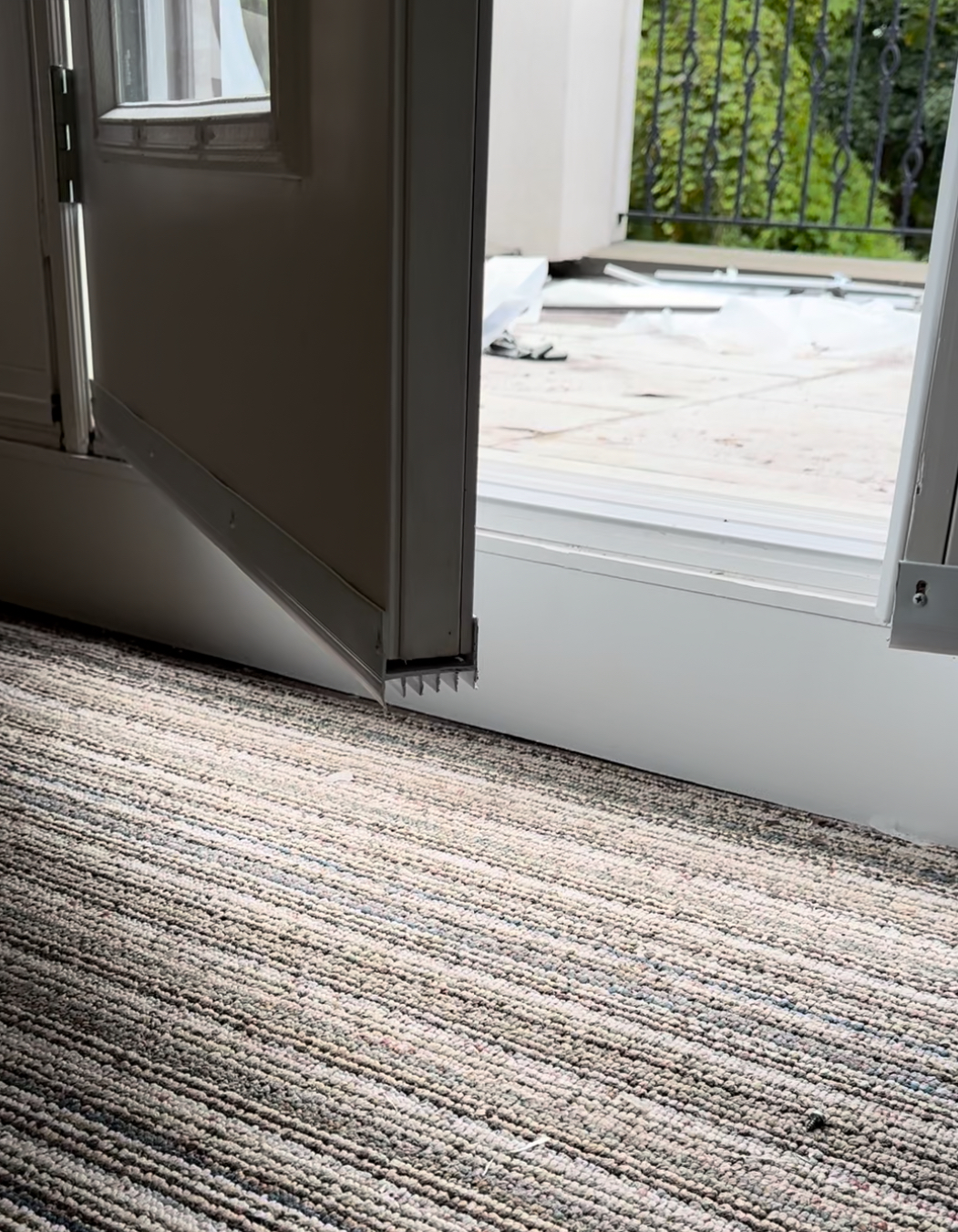
A door sweep attaches to the bottom of your front door and seals the gap between the door and the threshold. This is a spot that often gets overlooked, but it’s actually one of the biggest sources of drafts, pests, and even water intrusion during heavy rain. Door sweeps come in a few styles, including brush sweeps, vinyl sweeps, and combination sweeps with a rigid aluminum backing. If your front door has a visible gap at the bottom, or you notice leaves, dust, or cold air coming through, a proper door sweep should be at the top of your list.
5. Door Gaskets (Compression Seals)
Door gaskets, sometimes called compression weatherstripping, are typically installed into a routed groove in the door frame. As the door closes, it compresses against the gasket to create a tight seal. This is a more durable option that’s often used on higher-end doors and provides excellent protection against both drafts and moisture. It does require more precise installation, since the door needs to close with the right amount of pressure against the seal, not too loose and not too tight.
6. Magnetic Weatherstripping
Magnetic weatherstripping is more commonly associated with storm doors and screen doors, but it can be used on certain front door setups too. It uses a magnetic strip embedded in the weatherstripping that creates a tight seal similar to a refrigerator door. It’s very effective when installed correctly, but it’s not always the right fit depending on your door’s material and how it’s hung.
7. Silicone Weatherstripping
Silicone weatherstripping has become increasingly popular because of how well it holds up over time. It’s flexible, resistant to moisture and UV damage, and doesn’t compress or crack the way foam or felt does. It’s a great choice for Toronto homes because it holds up well through our seasonal swings, from humid summers to icy winters, without needing to be replaced every year.
So Which One Should You Actually Use?
Here’s the honest answer: it depends on what’s actually going on with your specific door. If your front door has a small, minor gap and you just need a quick, affordable fix, something like V-strip or a basic foam option might do the trick. But if you’re dealing with a persistent draft, noticeable energy loss, or a door that’s a few years old and has never had its weatherstripping replaced, we usually recommend a combination approach: a quality door sweep at the bottom, combined with vinyl, silicone, or gasket-style weatherstripping around the sides and top.
We also see a lot of situations where the weatherstripping isn’t actually the core issue. Sometimes a door has shifted slightly on its hinges, the frame has settled, or the threshold needs adjustment. In those cases, no amount of new weatherstripping will fully solve the draft problem until the underlying issue is addressed. This is honestly one of the most common things our technicians find when they go out to a home expecting a simple weatherstripping job and discover the door itself needs some adjustment first.
What About Cost?
Weatherstripping materials themselves are inexpensive, often somewhere between $10 and $40 for a basic DIY kit depending on the type and length needed. Professional installation costs a bit more, but it usually pays for itself through the improved seal, proper fit, and the fact that it’s done right the first time. A poorly installed weatherstrip, even a good quality one, won’t perform the way it’s supposed to.
If you’re comparing the cost of new weatherstripping to a full door replacement, weatherstripping (and general weatherproofing) is almost always the more affordable route, assuming your door itself is still in decent structural shape. This is one of the reasons we always recommend having a professional take a look first, so you’re not spending money on materials that won’t actually solve the problem.
Signs Your Front Door Needs New Weatherstripping
A few quick things to check around your own front door:
- You can see daylight coming through around the edges of the closed door
- You feel a noticeable draft, especially at ankle height near the bottom of the door
- The existing weatherstripping looks cracked, brittle, flattened, or is peeling away from the frame
- Your energy bills have crept up without another clear explanation
- You notice dust, leaves, or even small bugs getting into your entryway
If any of that sounds familiar, it’s probably time for an upgrade.
Why This Matters Even More in Toronto and the GTA
Our climate here isn’t gentle on doors. We go from humid, sticky summers to icy, windy winters, with a whole lot of freeze-thaw cycling in between. That constant expansion and contraction wears down weatherstripping faster than it would in a more moderate climate. It also means the wrong type of weatherstripping, one that isn’t rated to handle those temperature swings, will fail faster than expected.
Homes throughout Toronto and the surrounding GTA also vary a lot in age and construction. Older homes in established neighbourhoods often have original doors and frames that have shifted slightly over the decades, while newer builds sometimes come with weatherstripping that’s already showing wear within the first few years. Whatever situation your home falls into, getting the right weatherstripping matched to your specific door makes a real difference in comfort and energy efficiency.
How We Can Help
At Revitalize Windows & Doors, weatherproofing is something we deal with constantly, and we’ve seen just about every type of front door and every kind of draft issue a home in the GTA can throw at us. Rather than guessing which weatherstripping product might work, our team assesses the actual condition of your door, frame, and hardware, and recommends a solution that’s built to last through our local seasons, not just patch the problem temporarily.
We know how frustrating it is to deal with a drafty front door, especially once the temperature starts to drop. That’s why Revitalize Windows & Doors focuses on getting it right the first time, using materials and techniques suited specifically to homes here in Toronto and across the GTA.
If your front door has been letting in more cold air than it should, or you’re just not sure what type of weatherstripping makes sense for your situation, we’re happy to take a look and walk you through your options. You can check out our full weatherproofing services here to see everything we offer, or visit our Toronto service page to see how we support homeowners across the city.
Ready to Stop the Drafts?
A drafty front door is a fixable problem, and it doesn’t have to cost a fortune to solve. Whether you need a simple weatherstripping refresh or a more involved weatherproofing job, Revitalize Windows & Doors is here to help homeowners across Toronto and the GTA stay comfortable in every season.
Contact us today for a free quote and let’s get your front door properly sealed up before the next cold snap hits.