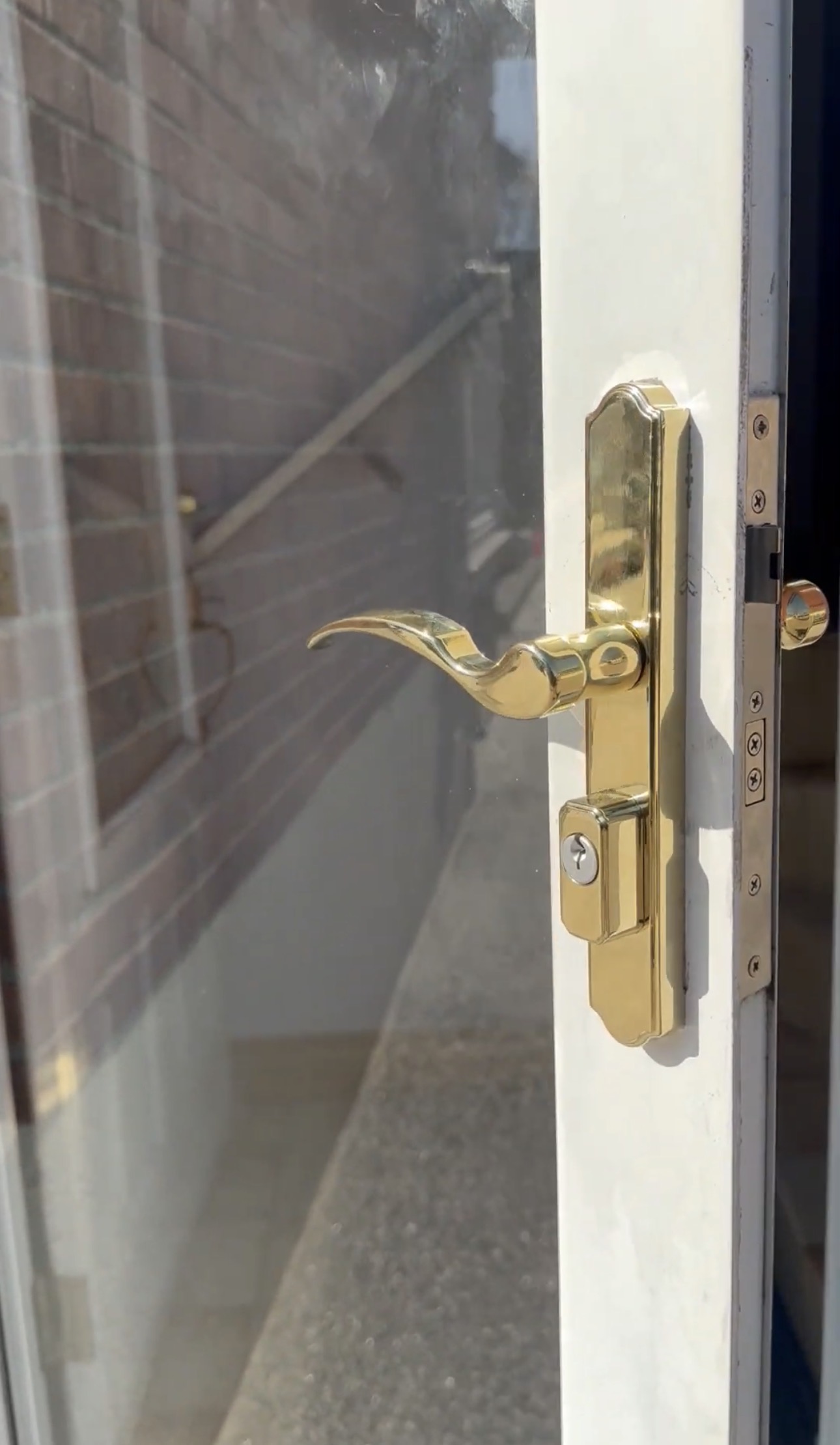
Can a Keyed Lock Be Installed on My Storm Door?
Most storm doors come with a basic push-button or thumb-latch lock, the kind that’s fine for keeping the door from swinging open in the wind but does very little as an actual security measure. If you’ve ever stood outside your own storm door and realized anyone could pop that latch open in about two seconds, you’ve probably wondered whether something more secure is even possible on a door that’s mostly glass and lightweight framing.
At Revitalize Windows & Doors, this comes up constantly, particularly with homeowners across Toronto who use their storm door as a secondary entry point, they’d like to actually lock when they’re away, not just keep from banging in the wind. The good news is that yes, in most cases, a keyed lock can be installed on a storm door, though there are a few things worth understanding about how it works and what to expect. If you’re considering this upgrade, our screen and storm door services cover keyed lock installation along with general hardware upgrades.
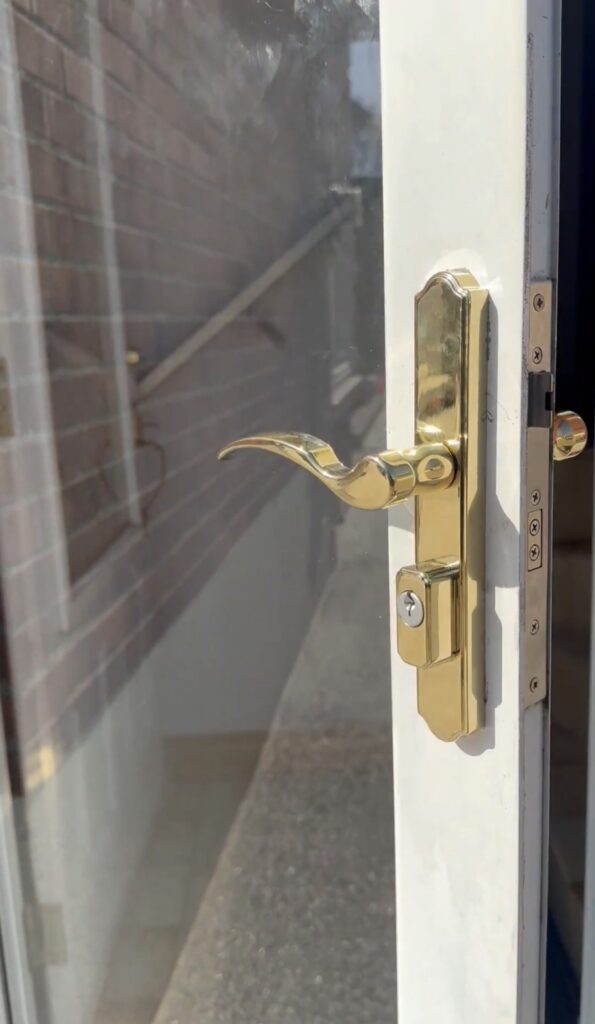
1. What Most Storm Doors Come With by Default
The vast majority of storm doors ship with a basic latch system, typically a push-button handle set with a simple thumb latch on the interior side. Some include a very basic keyed lock built into the handle itself, but these are often lower-security components designed more for convenience than actual protection.
This default hardware is fine for its intended purpose, which is mostly keeping the door from blowing open, but it’s rarely something you’d rely on to genuinely secure a door while you’re away from home.
2. Can a Real Keyed Lock Actually Be Added?
Yes, in most cases. Most storm doors are built with enough structural material in the stile, the vertical frame piece running alongside the door’s edge, to accommodate a proper keyed deadbolt or a higher-security keyed handle set. The process typically involves installing a deadbolt or a more robust keyed lockset into the existing hardware location, or occasionally adding a secondary lock point if the door and frame can support it.
The main factor that determines feasibility is the storm door’s stile width. Narrower stiles, common on some lightweight aluminum storm doors, may not have enough material to accommodate a standard-sized deadbolt without reinforcement, while wider stiles typically handle the upgrade without any issue.
3. Aluminum vs. Full-View and Full-Glass Storm Doors
The type of storm door you have affects what’s realistic here.
Standard aluminum-framed storm doors with a reasonably wide stile are usually the easiest to retrofit with a proper keyed lock, since there’s typically enough structural material to work with.
Full-view or full-glass storm doors, which maximize the glass area for visibility, sometimes have narrower framing around the edges, which can limit lock hardware options or require a lower-profile lock designed specifically for slim stiles.
Retractable screen and glass combination doors can vary quite a bit in their hardware compatibility, and it’s worth having these assessed individually rather than assuming a standard lock will fit.
4. Reinforcing the Frame for a Secure Lock
Installing a lock is only half the equation. For a keyed lock to actually provide meaningful security, the strike plate and surrounding frame need to be solid enough to resist force, not just hold the latch in place under normal use.
On many storm doors, the surrounding frame is lightweight aluminum or vinyl, which can benefit from a reinforced strike plate or additional backing material where the lock engages. Without this reinforcement, a determined push or kick could potentially force the door open even with a keyed lock installed, since the weak point shifts from the lock itself to the surrounding frame material.
This is a detail that’s easy to overlook if you’re focused purely on the lock hardware itself, but it genuinely affects how much real security the upgrade provides.
5. Single Cylinder vs. Double Cylinder Locks
When choosing a keyed lock for a storm door, you’ll typically come across two configurations:
Single cylinder locks use a key on the exterior side and a simple turn-knob on the interior, allowing quick exit from inside without needing a key.
Double cylinder locks require a key on both the interior and exterior sides, which adds security in situations where someone might otherwise reach through broken glass to unlock the door from inside, but this comes with a real trade-off around quick emergency exit.
For most residential storm doors, single cylinder locks are the more common and generally recommended choice, since they don’t compromise your ability to exit quickly in an emergency. Double cylinder locks are sometimes used in specific security-conscious situations, but they’re worth discussing carefully given the safety trade-off involved.
6. Do You Need to Match the Lock to Your Primary Door?
Not necessarily, though many homeowners choose to. Some keyed lock manufacturers offer options that can be keyed alike with your primary entry door’s lock, meaning a single key opens both. This isn’t a requirement, and a separate, independently keyed lock works perfectly well on its own, but it’s a convenience worth asking about if you’d rather not carry an extra key.
7. What the Installation Process Typically Involves
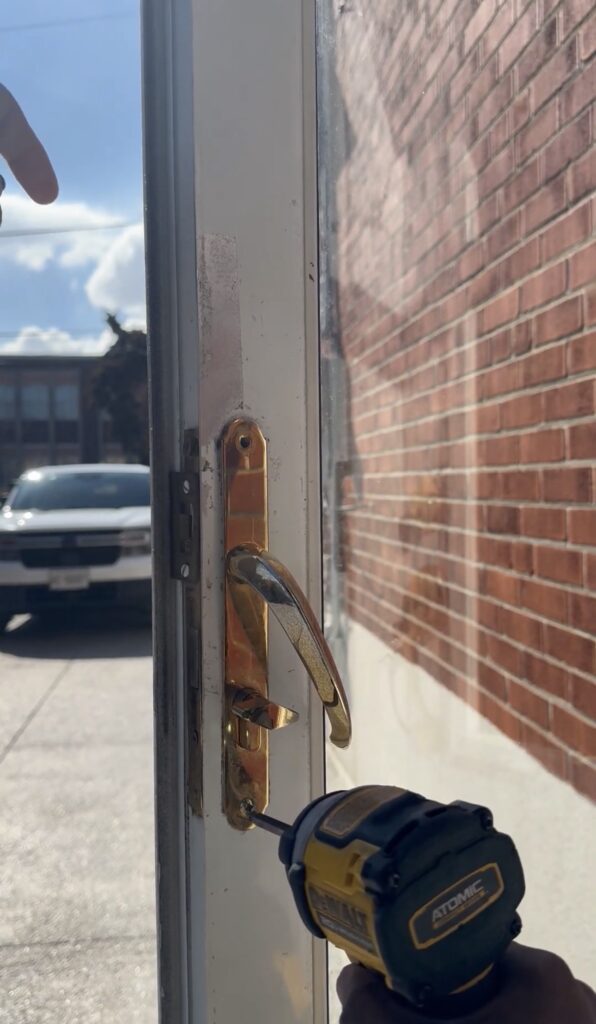
A professional keyed lock installation on a storm door generally includes:
Assessing the stile width and frame material to confirm what type of lock hardware will fit properly.
Drilling or adapting the existing hardware cutout, since factory storm doors often come pre-drilled for basic hardware that may need modification for a proper keyed lockset.
Installing reinforced strike plate hardware on the frame side to ensure the lock actually holds up under force, not just under normal daily use.
Testing operation and alignment, confirming the lock engages smoothly and the door closes and locks properly without excessive force.
This process is usually straightforward for a professional, though it does require the right tools and hardware matched specifically to your door’s construction, which is part of why this tends to go more smoothly with an experienced installer than as a weekend DIY project.
Key Terms Worth Knowing
Stile: The vertical frame member running along the side of a door, which houses the lock and hinge hardware. Stile width determines what lock hardware options are realistic.
Deadbolt: A lock bolt that extends into the frame without spring action, offering more resistance to forced entry than a standard spring latch.
Strike Plate: The metal plate mounted on the frame that a lock’s bolt or latch engages with when the door is closed and locked.
Single Cylinder Lock: A lock configuration using a key on the exterior only, with a turn-knob for quick interior operation.
Double Cylinder Lock: A lock configuration requiring a key on both sides of the door, adding security but limiting quick emergency exit.
Is This Upgrade Worth It?
For a storm door that functions as a genuine secondary entry point, particularly one leading to a backyard, side entrance, or an area without much street visibility, upgrading to a proper keyed lock is a reasonable and relatively affordable security improvement. It won’t turn a storm door into the same level of security as a solid entry door, since the surrounding glass and lighter frame construction still have inherent limitations, but it meaningfully raises the bar above a basic push-button latch.
If security is your primary motivation, it’s also worth having the frame itself assessed alongside the lock upgrade, since a strong lock paired with a weak frame doesn’t provide the protection you’re actually looking for. This combined assessment is something the Revitalize Windows & Doors team includes as a standard part of any lock upgrade consultation.
Why This Matters More Across Toronto and the GTA
Storm doors here often see genuine daily use as a functional secondary entry, not just a decorative addition, particularly on side and back entrances leading to decks, driveways, or backyards. Given that regular use, having a storm door that actually locks securely, rather than just latches, is a reasonable priority for a lot of households across the region. If you’re weighing security upgrades for more than just your storm door, our window and door repair services in Toronto can take a broader look at your entry points and recommend where upgrades would make the most difference.
Why Choose Revitalize Windows & Doors
We’ve installed keyed locks and upgraded hardware on storm doors across homes throughout Toronto, and we always start by assessing the specific door’s stile width and frame condition before recommending a lock option. The team at Revitalize Windows & Doors takes the same approach with every storm door lock upgrade, matching the hardware to what the door can actually support rather than installing something that looks secure but isn’t properly reinforced.
How We Can Help You Today
- Keyed deadbolt and lockset installation for storm doors
- Frame and strike plate reinforcement alongside lock upgrades
- Hardware compatibility assessment for aluminum, full-view, and retractable storm doors
- Keyed-alike lock options to match your primary entry door
- Full storm door hardware repair and security upgrades
Frequently Asked Questions
Will a keyed lock fit on any storm door? In most cases, yes, though narrower stiles on some full-glass storm doors may require a slimmer or specialty lock option rather than a standard deadbolt.
Is a double cylinder lock a good idea for a storm door? It can add security, but it also means you need a key to exit from the inside, which is a real safety trade-off worth considering carefully, especially in an emergency situation.
Does adding a keyed lock also require reinforcing the frame? It’s strongly recommended. A keyed lock alone doesn’t provide much real security if the surrounding frame material is too lightweight to resist force.
Can I install a keyed lock on my storm door myself? It’s possible for a confident DIYer with the right tools, but matching the correct lock hardware to your specific stile width and ensuring proper frame reinforcement is often better handled professionally.
Will a keyed storm door lock work with my existing house key? Some lock options can be keyed alike with your primary entry door, meaning one key operates both, though this isn’t a requirement and depends on the specific hardware chosen.
Ready to Upgrade Your Storm Door’s Security?
If your storm door’s current lock feels more like a formality than actual security, we’re happy to assess your door and let you know what options make sense. Contact us directly to request your free quote, and we’ll help you get a storm door that actually locks the way it should.